
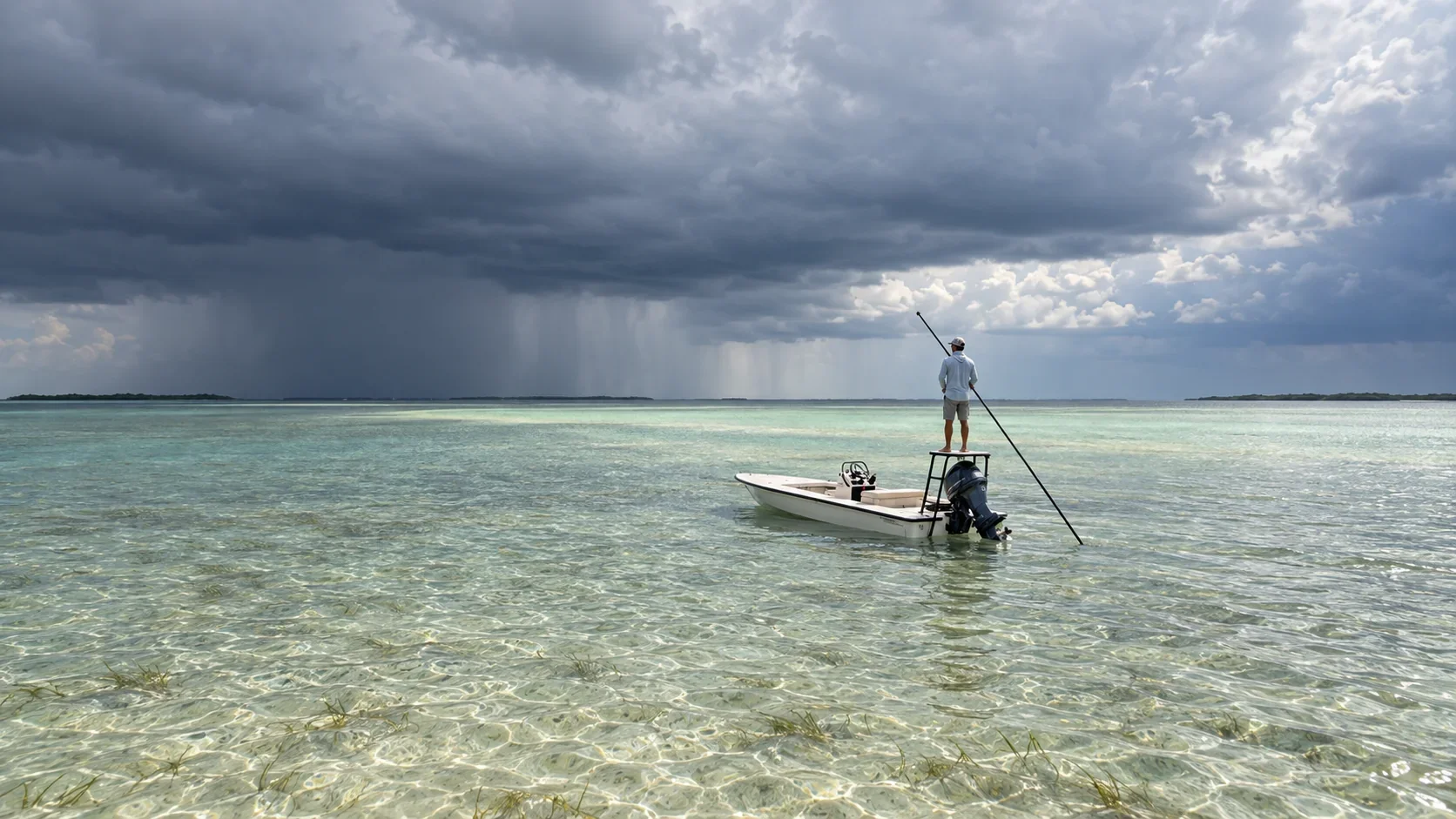
What a Cold Front Does to a Bonefish Flat
A cold front doesn’t erase bonefish. It changes the wind, the light and the temperature of the shallowest water, and the fish respond. A field guide to what actually changes on a winter flat, where guides look first after a hard front, how to read the recovery, and when the fish have to come first.
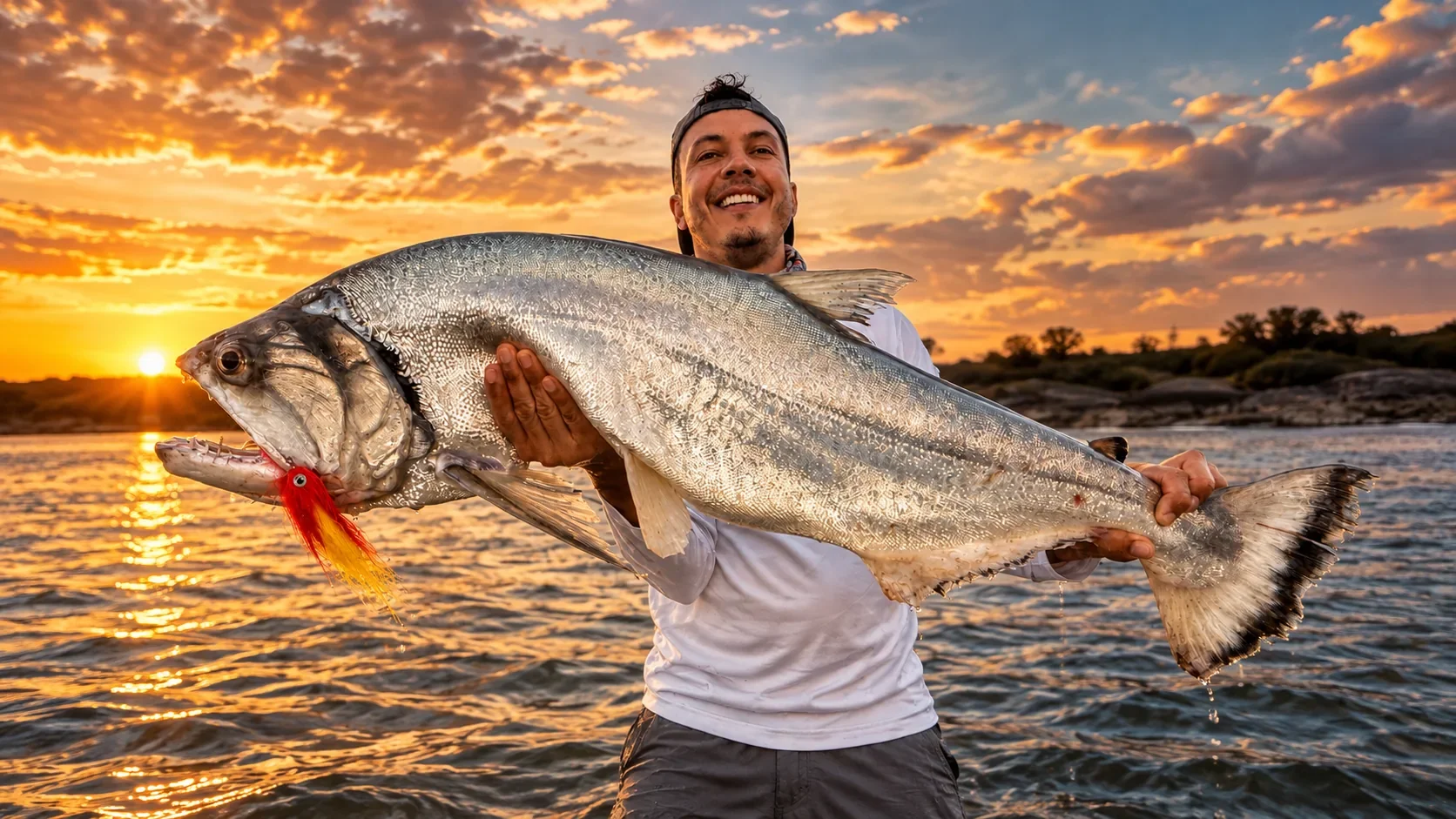
Fishing the Eastern Llanos of Colombia: Peacock Bass, Payara, and Water That Doesn't Forgive.
In the far east of Colombia, the river sets the schedule. A field primer to peacock bass and payara in the eastern Llanos: where the three peacock species live, why falling water concentrates the fish, how to rig for teeth and current, and the lagoons only a paddle board can reach.
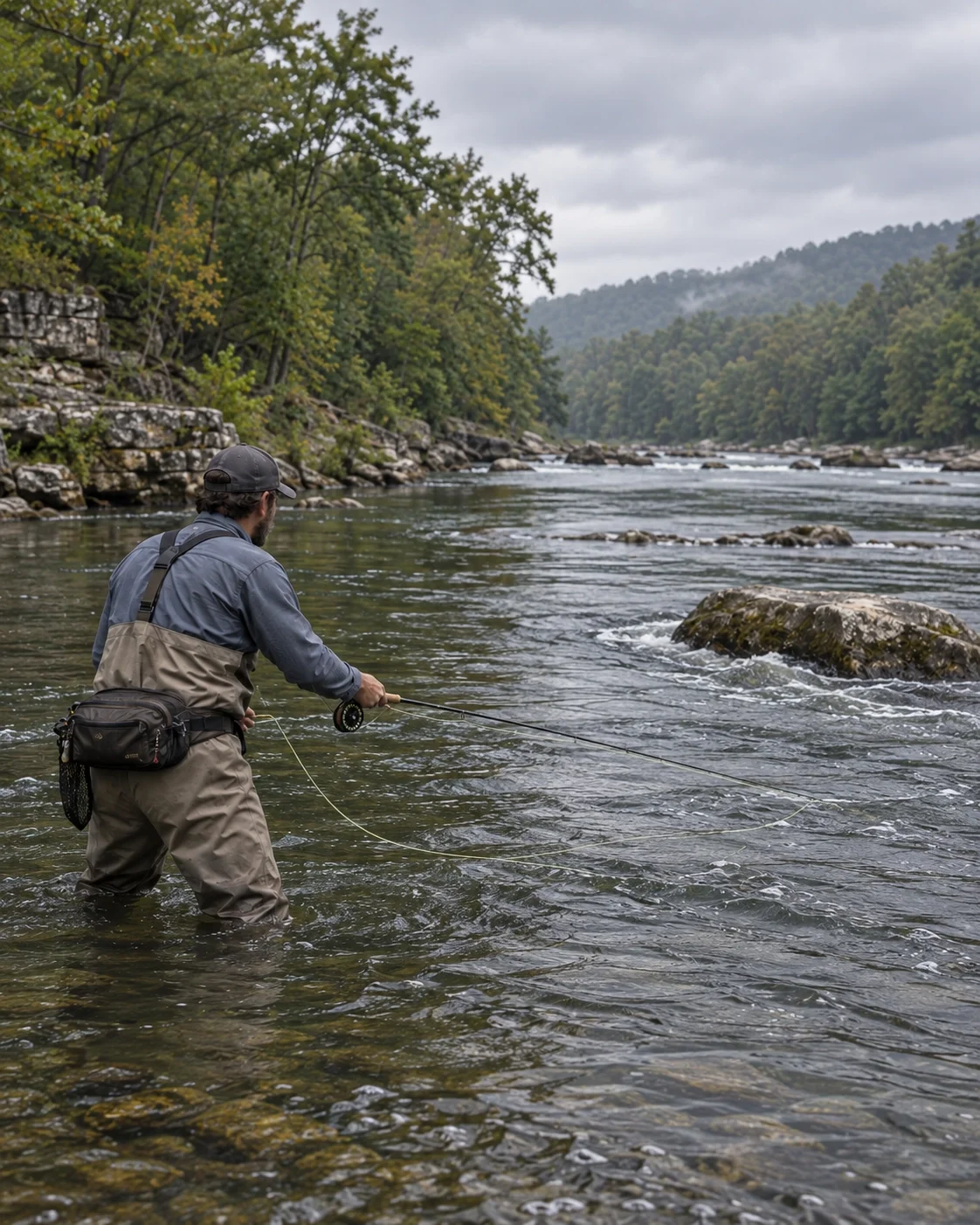
Below the Swing: Keeping a Smallmouth Streamer in the Strike Zone
A sink tip doesn't put your fly at the fish's level. In current, a streamer spends most of the swing sinking in or climbing out — here's how to steer real depth for river smallmouth.
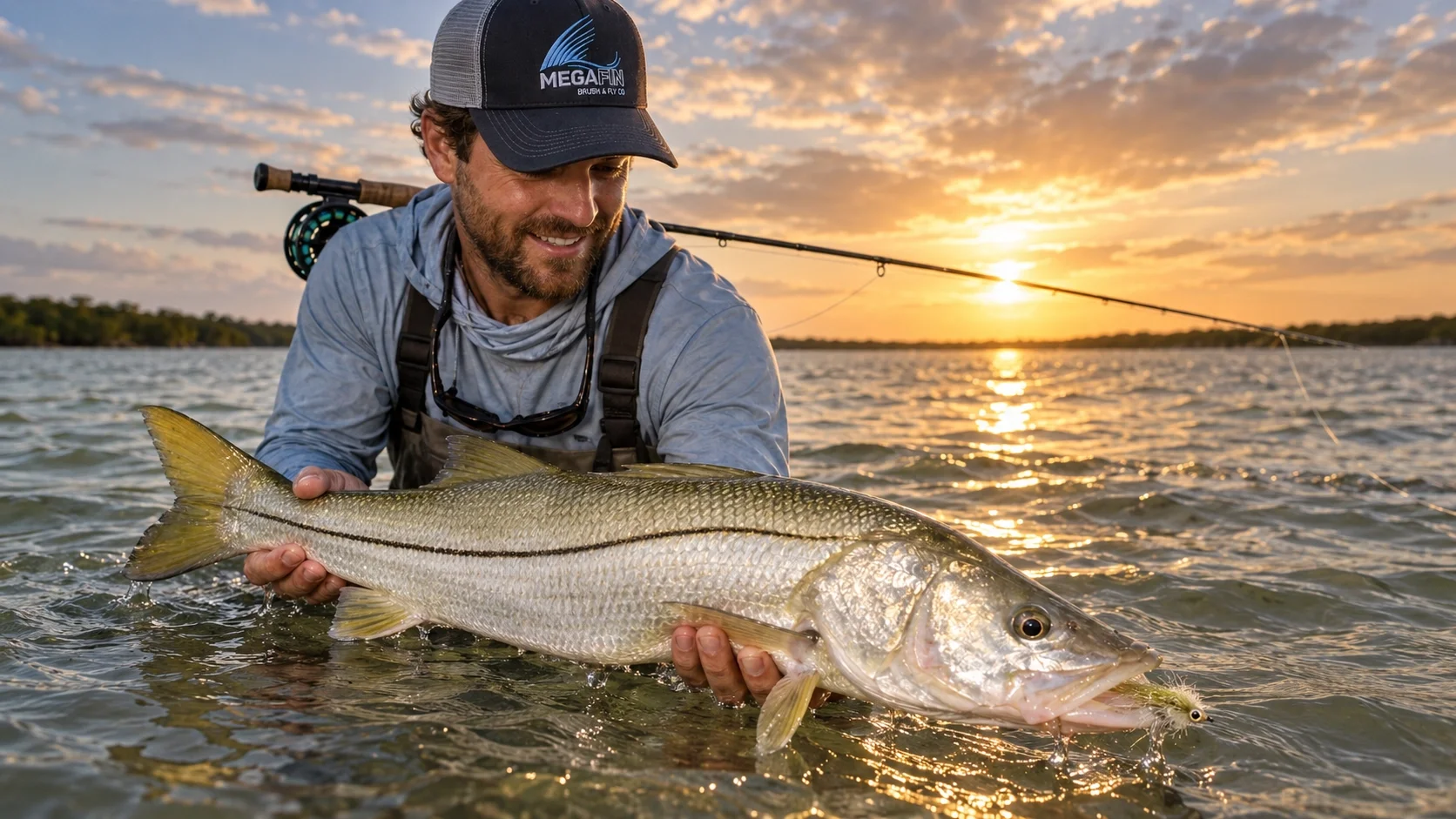
Outside the Bait Ball: How to Present a Fly to Snook During the Mullet Run
During the mullet run, thousands of baitfish can make snook harder to catch, not easier. The fix isn't a better fly — it's where the fly travels. Edge tactics, three presentations, and how to pick a fly by the job it has to do.
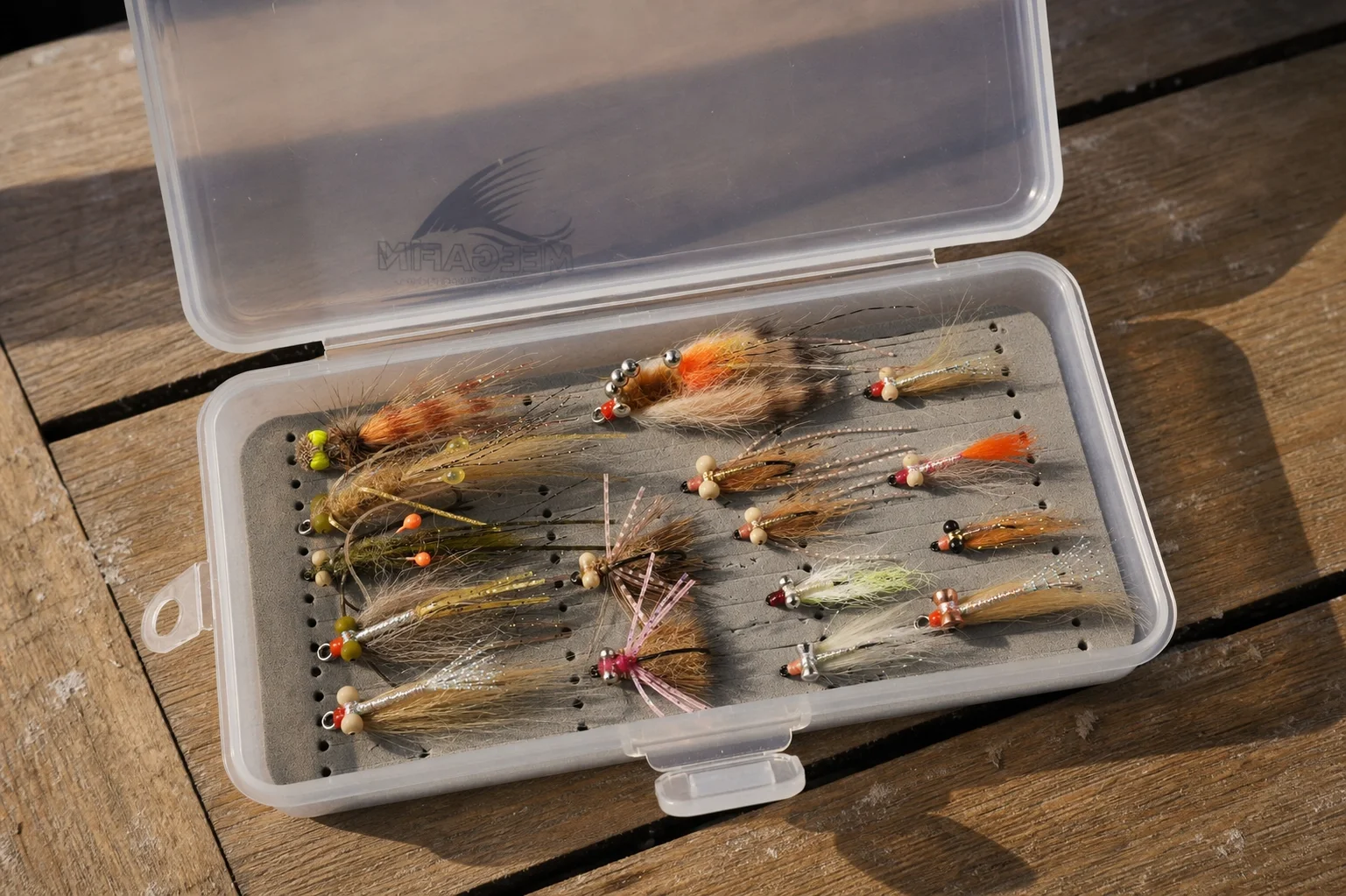
The Material Is the Fly: Why What Your Pattern Is Made Of Matters
Bucktail, synthetics, and flash change how a fly moves and holds its shape. Learn what those differences mean when choosing your next pattern.
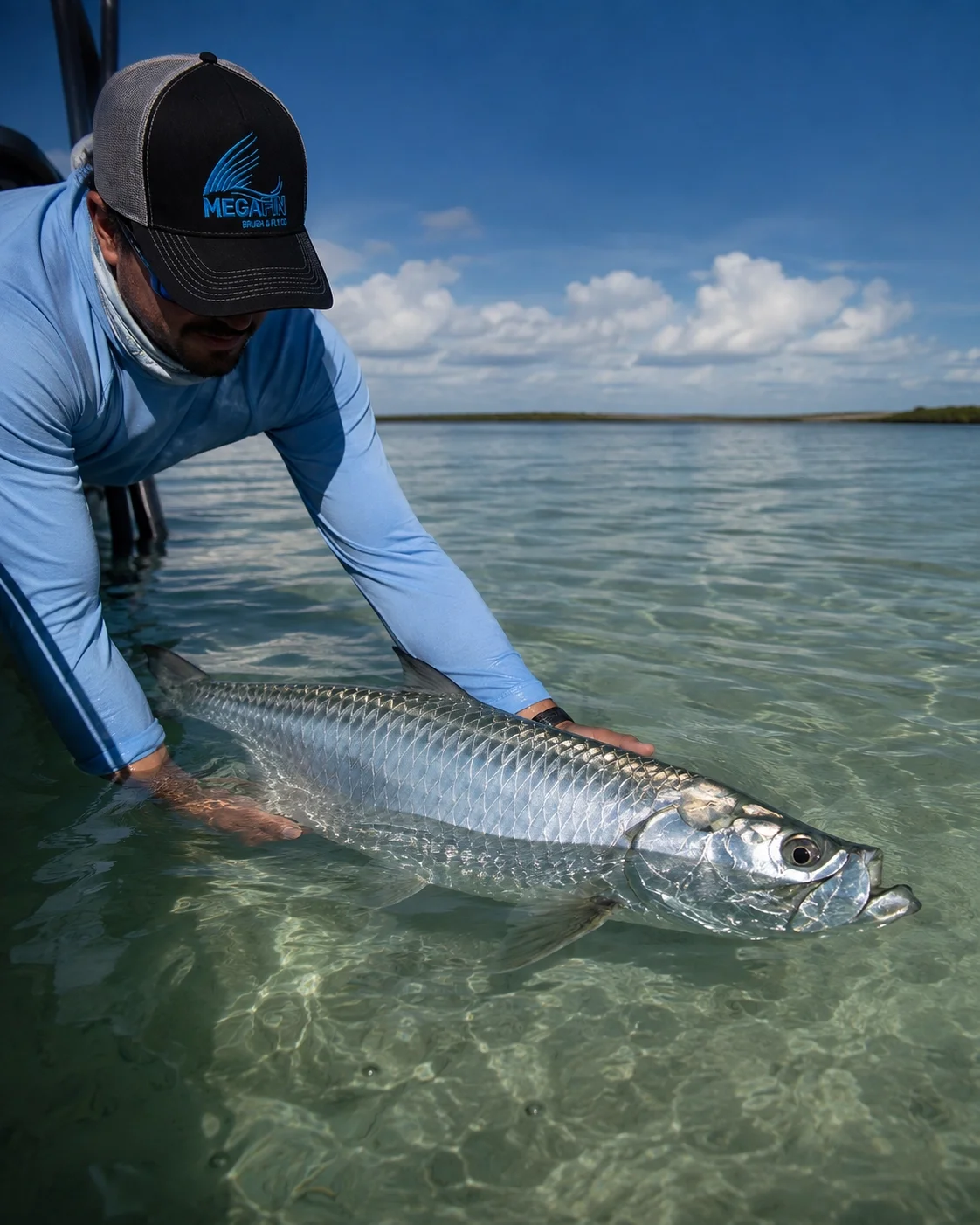
The Tarpon Obsession: Why Anglers Chase the Same Fish Their Whole Career
Before the sun clears the mangroves, the water gives them away. On why anglers chase the same fish their whole career — and rarely get to finish.
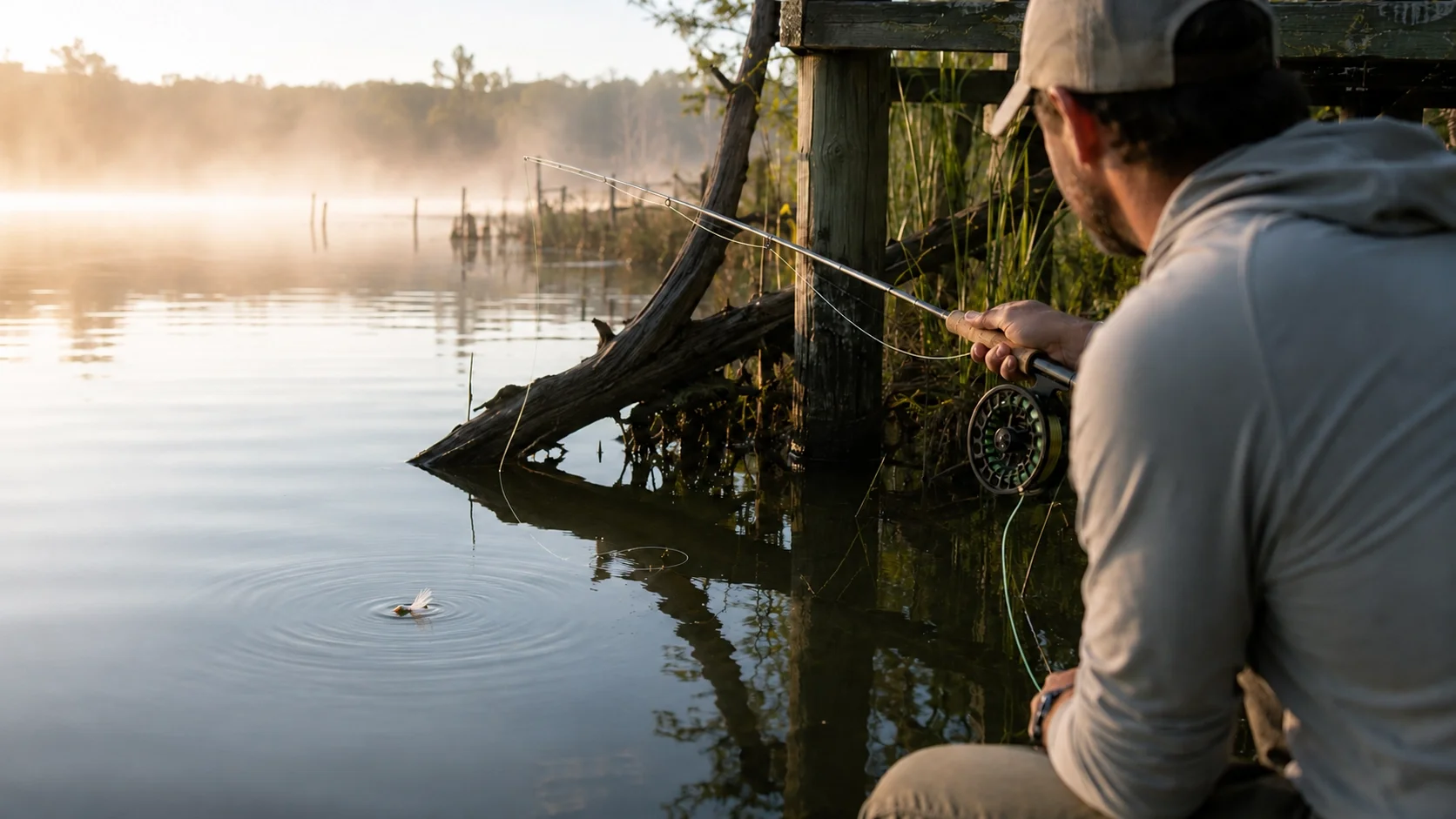
Bass Poppers: How to Fish Topwater Flies for Maximum Strikes
A bass popper only works if you know what to do after it lands. A field guide to placement, the pause, cadence, the missed strike, and the strip set — for largemouth and smallmouth.
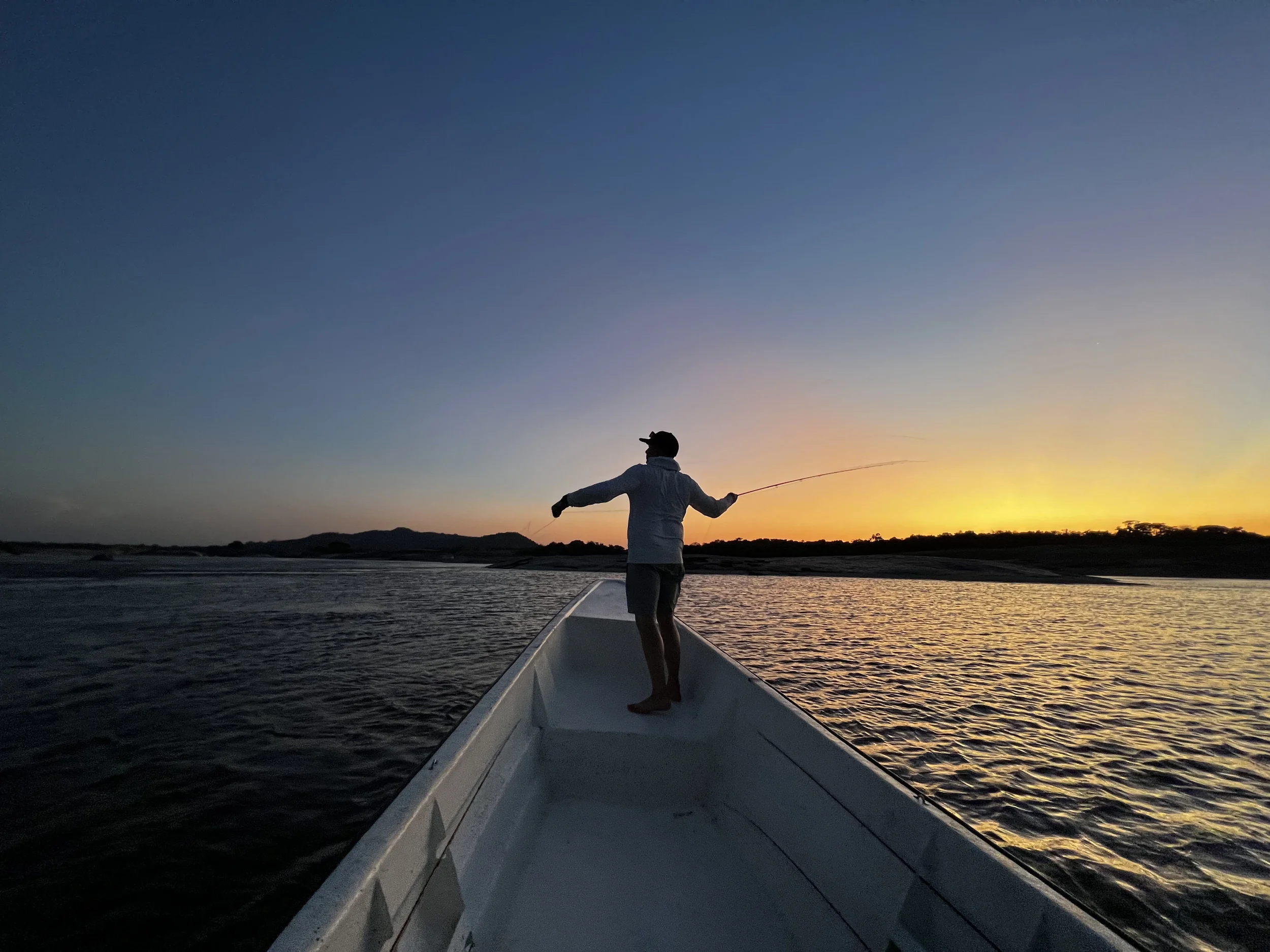
The 7 Flies Every Warmwater Predator Angler Should Carry
Seven fly patterns. Every warmwater predator covered — from largemouth bass on structure water to peacock bass and payara in the South American jungle. A predator fly box organized by job, not by species.
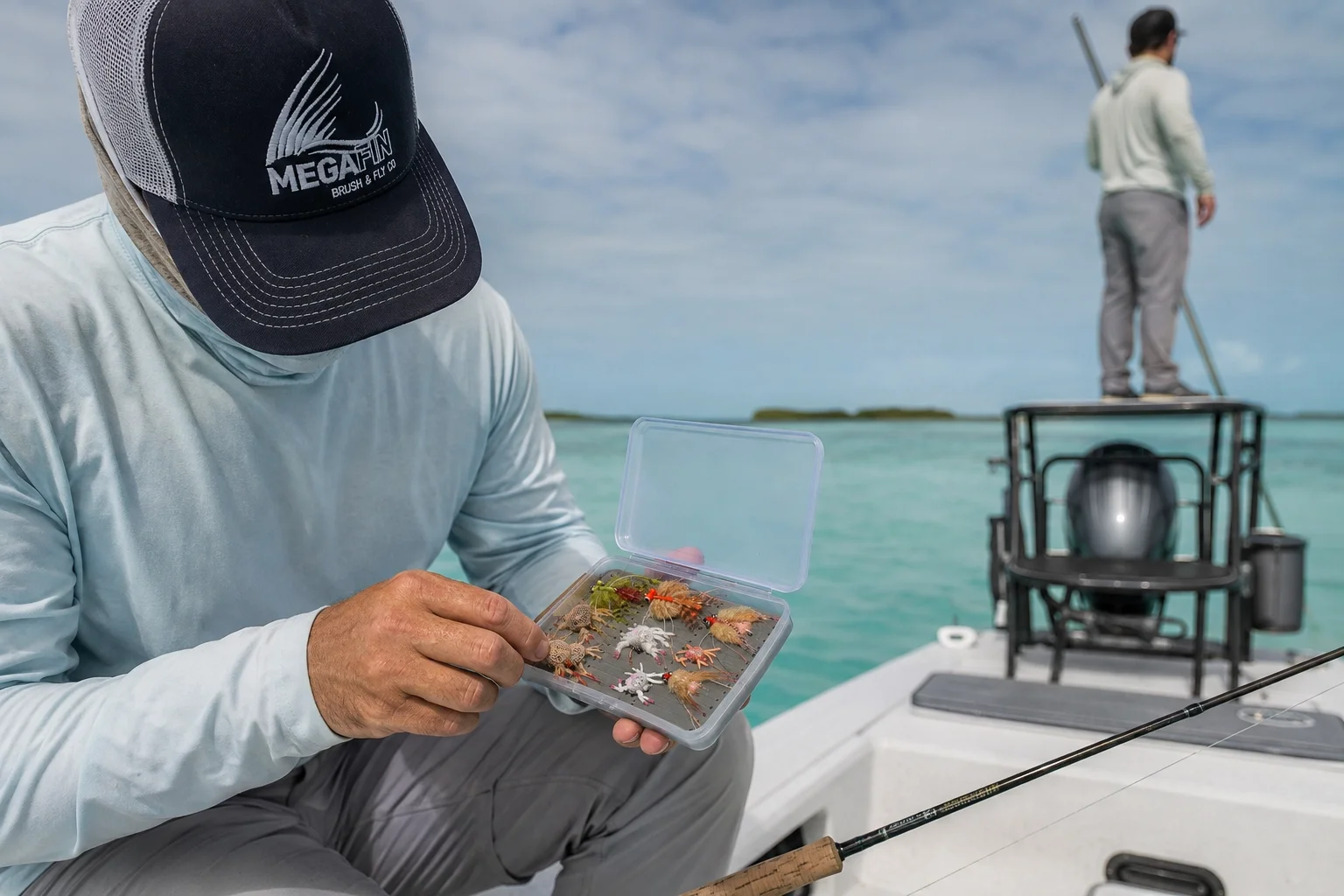
What to Put in Your Florida Keys Fly Box: A Species-by-Species Guide
The Florida Keys aren't one fishery — they're four species with different feeding behaviors, different strike windows, and different technical demands packed into the same zip code. This is a species-by-species breakdown of what to carry, what weight, and how to organize the box before the skiff leaves the dock.
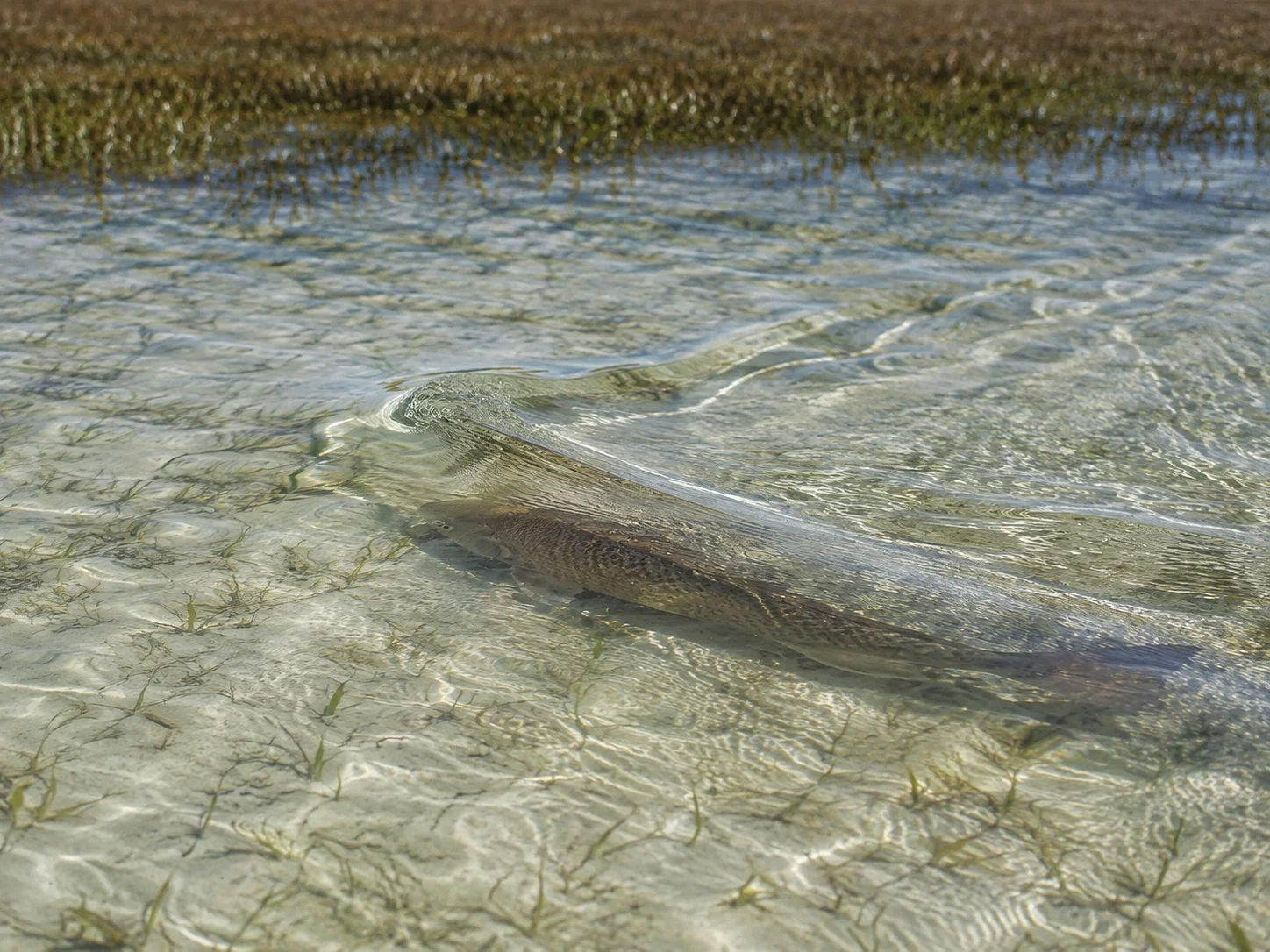
Redfish on Fly: Why It's the Best Introduction to Saltwater Predator Fishing
The flat looks familiar if you’ve ever watched a bass work a shoreline. Discover why redfish are the ideal first saltwater predator—and what they teach about tides, wind, flies, and presentation.
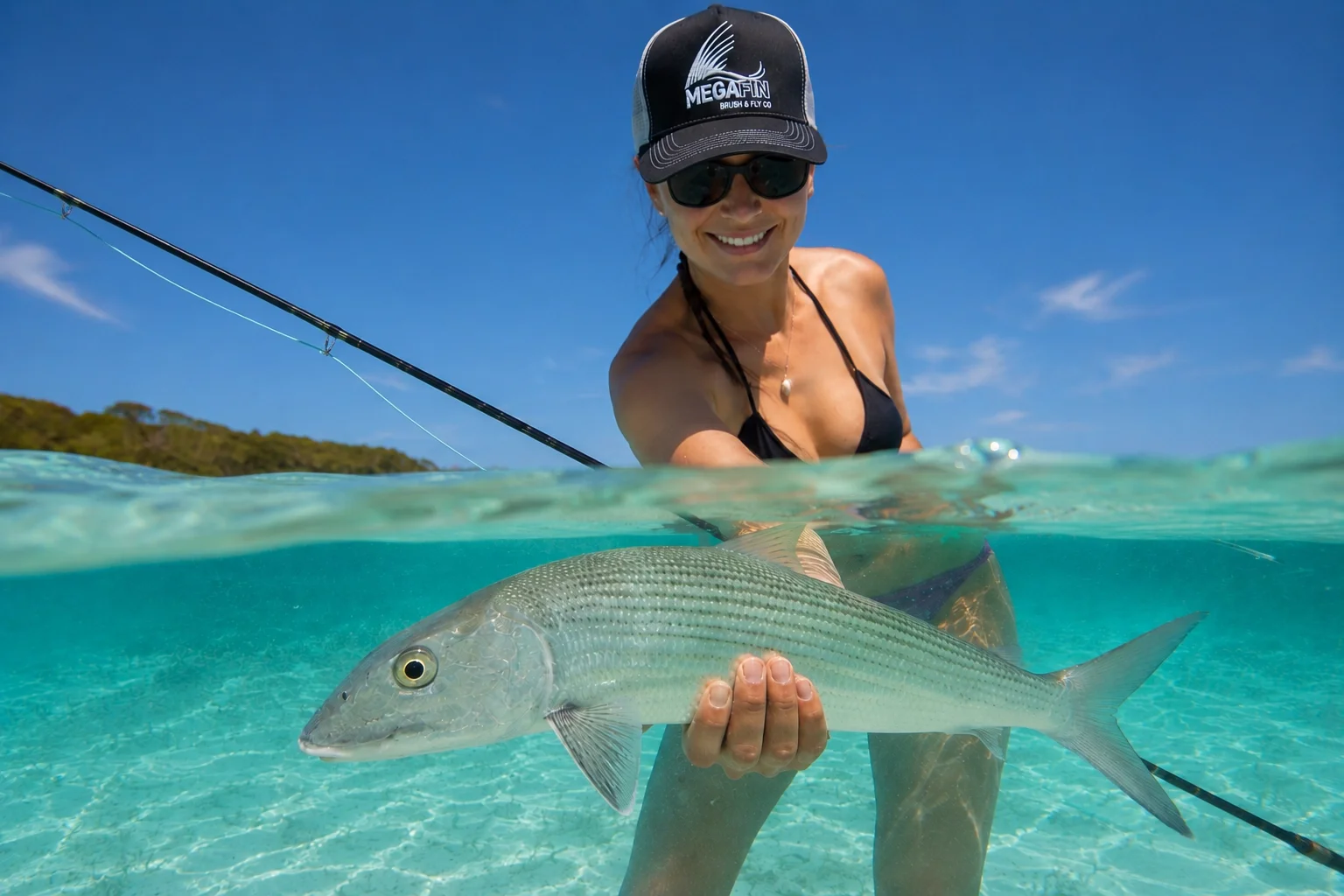
Bonefish on the Flats: A First-Timer's Guide to Species, Water, and What Flies to Carry
The flat looks empty. Then your guide says quietly: "Eleven o'clock. Sixty feet. Two fish, tailing." You have perhaps forty seconds. Here's what you need to know before that moment arrives.
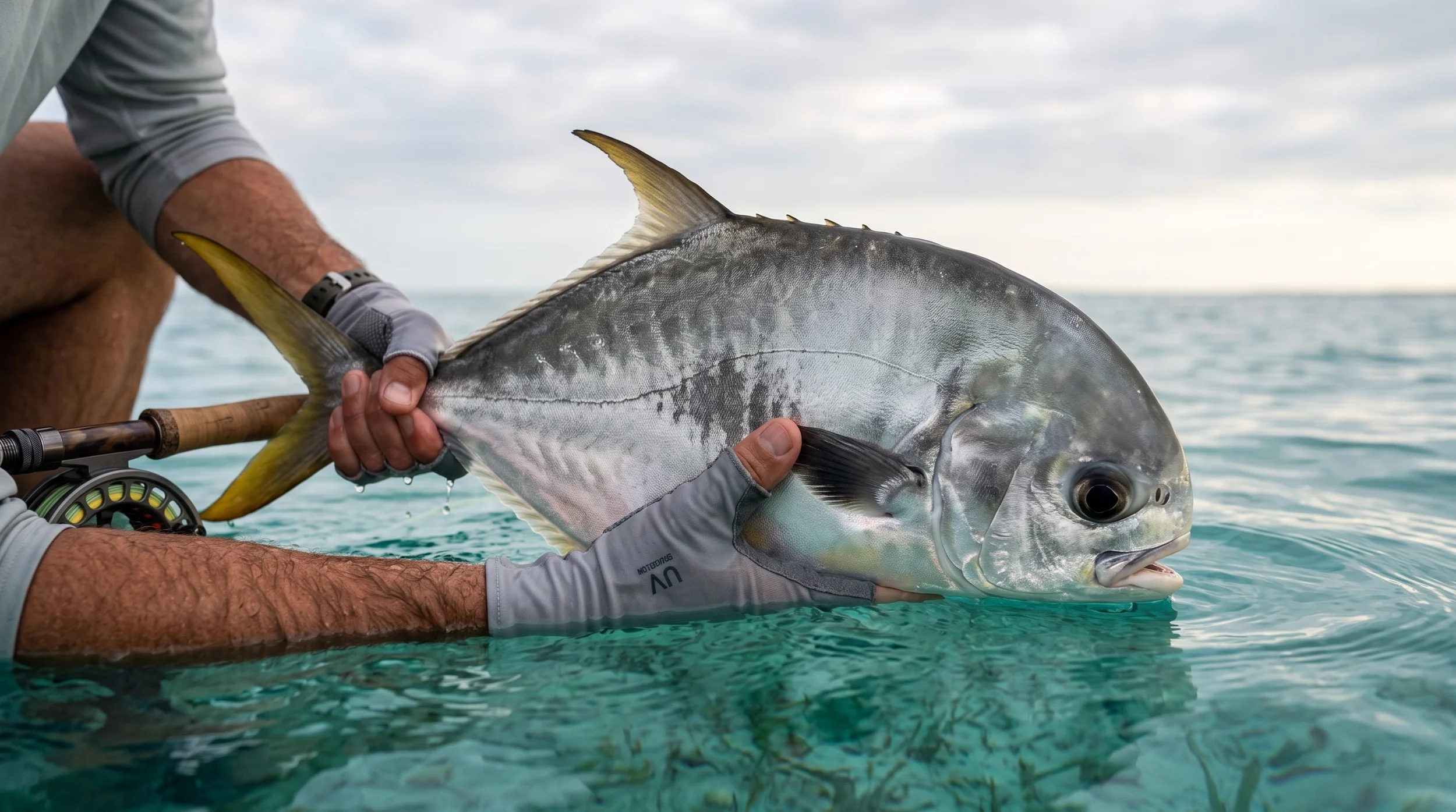
WHY PERMIT REFUSE YOUR FLY
The permit was right there. Forty feet off the bow, tailing in six inches of water, completely unaware. You made a good cast. The fly landed quietly. The fish turned toward it, tracked it for three seconds — and then peeled off at the last moment. No eat. No splash. Just gone, angling back to the flat like you never existed.
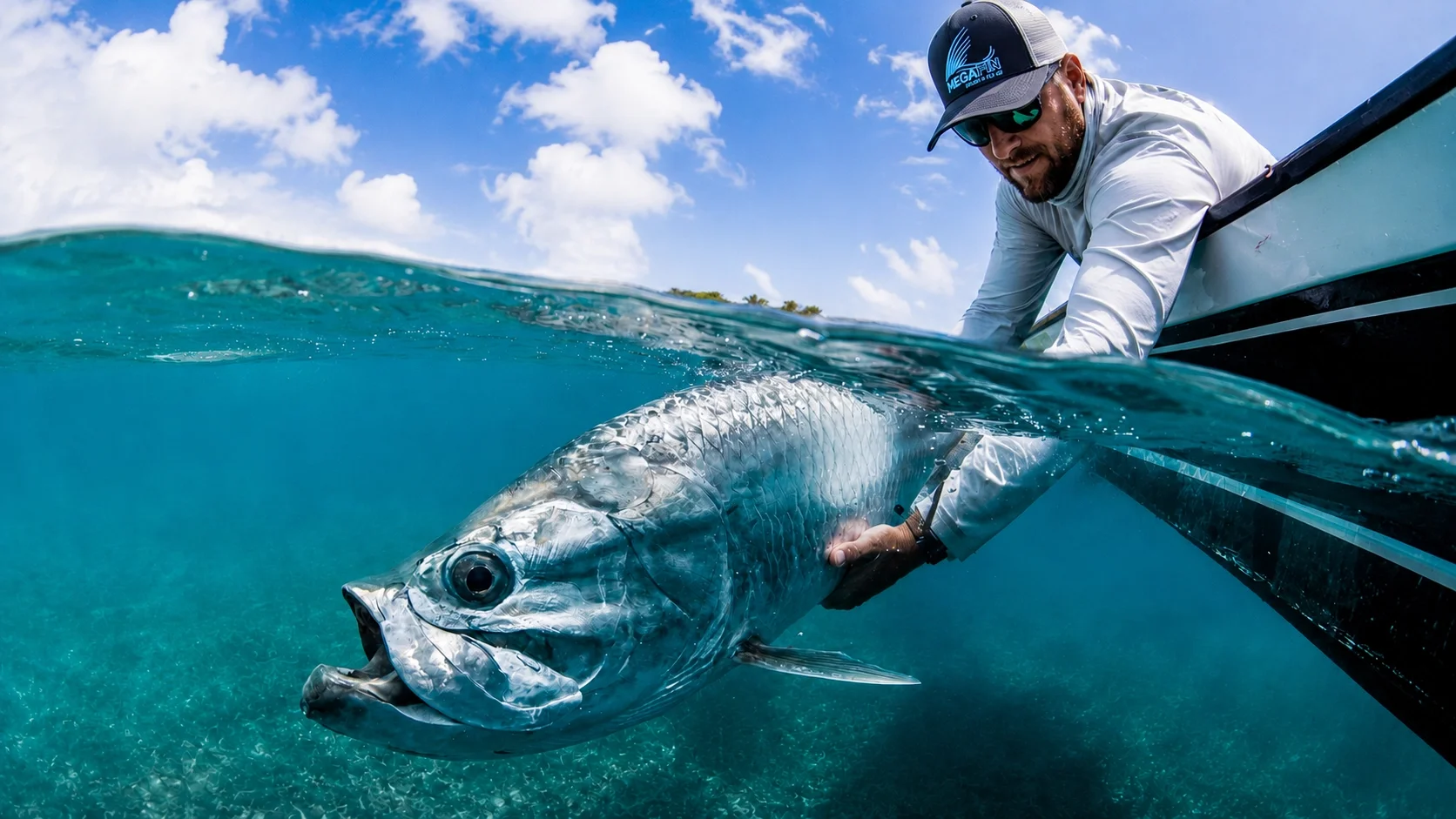
How to Read a Tarpon on the Flat: The 3-Second Window Before the Cast.
The shot opens and closes in three seconds. What you do before the fly leaves your hand — reading the fish's state, calculating the lead, confirming the angle — is where most tarpon shots are won or lost. A technical field guide to reading tarpon behavior on the Florida Keys flats.
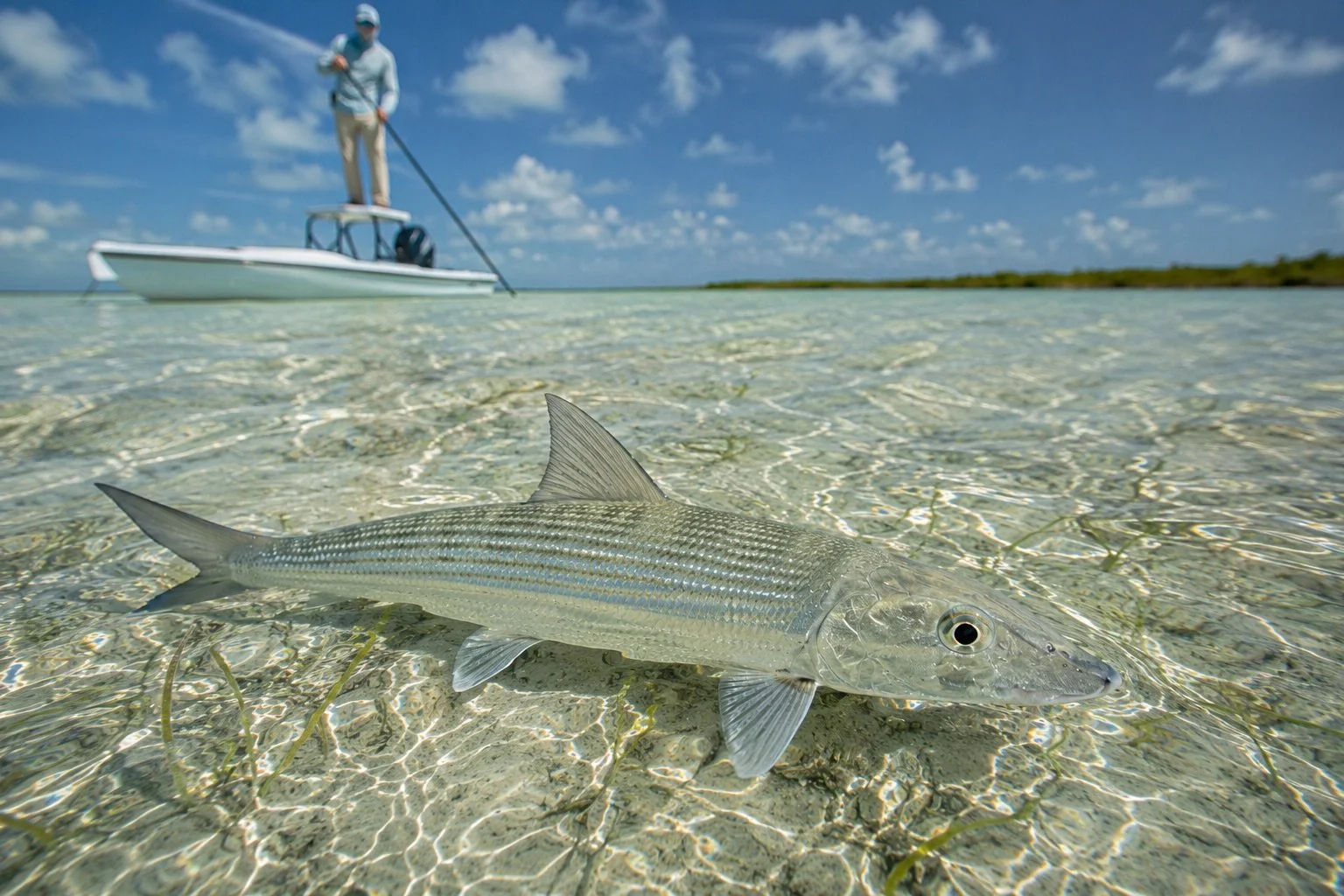
Three Fish That Define the Florida Keys
Few places in the world test a fly angler quite like the Florida Keys.
For saltwater fly anglers, the Keys are defined by three legendary fish: tarpon, bonefish, and permit. Catching any one of them on fly is an accomplishment. Catching all three is the famous Florida Keys “grand slam.”