
Bonefish on the Flats: A First-Timer's Guide to Species, Water, and What Flies to Carry
 12 min read
Bonefish on the Flats: A First-Timer's Guide to Species, Water, and What Flies to Carry
The flat looks empty. Then your guide says quietly: "Eleven o'clock. Sixty feet. Two fish, tailing." You have perhaps forty seconds. Here's what you need to know before that moment arrives.
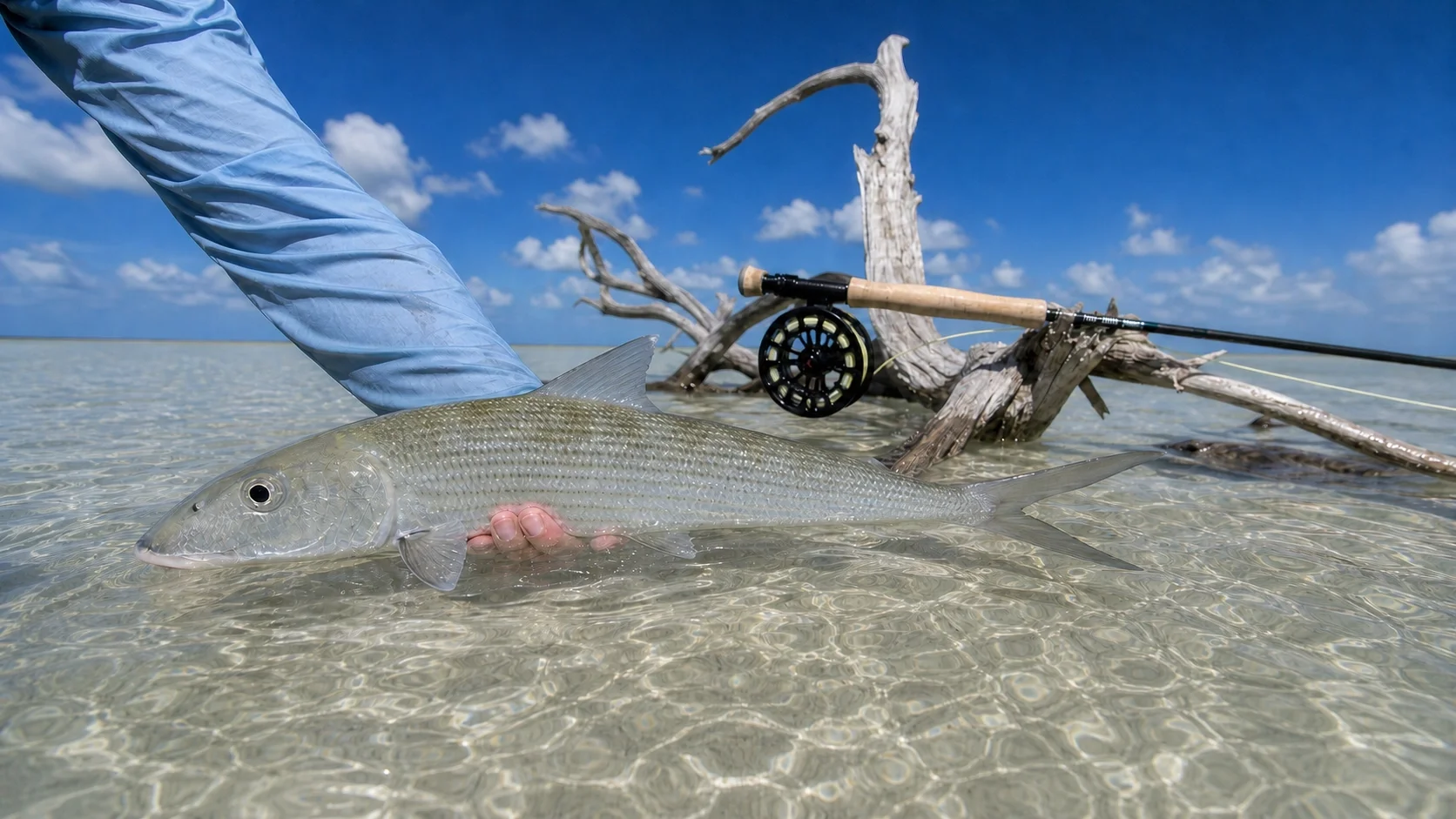
Florida Keys — the moment before everything changes.
The flat at low tide holds nothing visible. Sandy bottom, knee-deep water, a little turtle grass. Then one of them tips forward, and for a moment its tail breaks the surface — silver, catching the morning light — and disappears. Your guide is already pulling the skiff into position.
Welcome to bonefish.
What Is a Bonefish?
Albula vulpes — "white fox" — is one of the most evolved shallow-water predators in the ocean. It arrived in its current form something like 100 million years ago. Every design choice it made since then points toward survival: a torpedo body built for sudden acceleration, a downward-facing mouth calibrated to root through sand and marl, a mirror-silver flank that disappears against almost any bottom at almost any angle.
In Florida waters you'll also encounter the bigeye bonefish (Albula garcia), a closely related species found primarily as juveniles. But the fish that drives the economy of the Florida Keys — the grey ghost, the silver phantom — is Albula vulpes.
A mature bonefish is 17 to 18 inches long and three to four years old. Large specimens push three feet and 15 pounds, though a 7-pound fish on an 8-weight fly rod feels like considerably more. Florida Fish and Wildlife has documented bonefish living beyond 23 years — this is not a short-lived prey species. It is a long-lived, intelligent predator on a very specific kind of water.
The Florida Keys and Biscayne Bay are among the few places in the United States where bonefish are present year-round. Peak activity runs March through October, when water temperatures climb and the fish move aggressively onto the flats to feed. In winter, cooler water pushes them into deeper channels — present but less accessible, less active, less predictable.
Florida's bonefish have been catch-and-release only since September 1, 2013. Not because the fishery was collapsing, but because the economic and ecological argument for a living bonefish was overwhelming. Researchers estimated that a single Florida Keys bonefish generates approximately $3,500 per year in angler spending over its lifetime — roughly $75,000 per fish. That number made the policy straightforward.
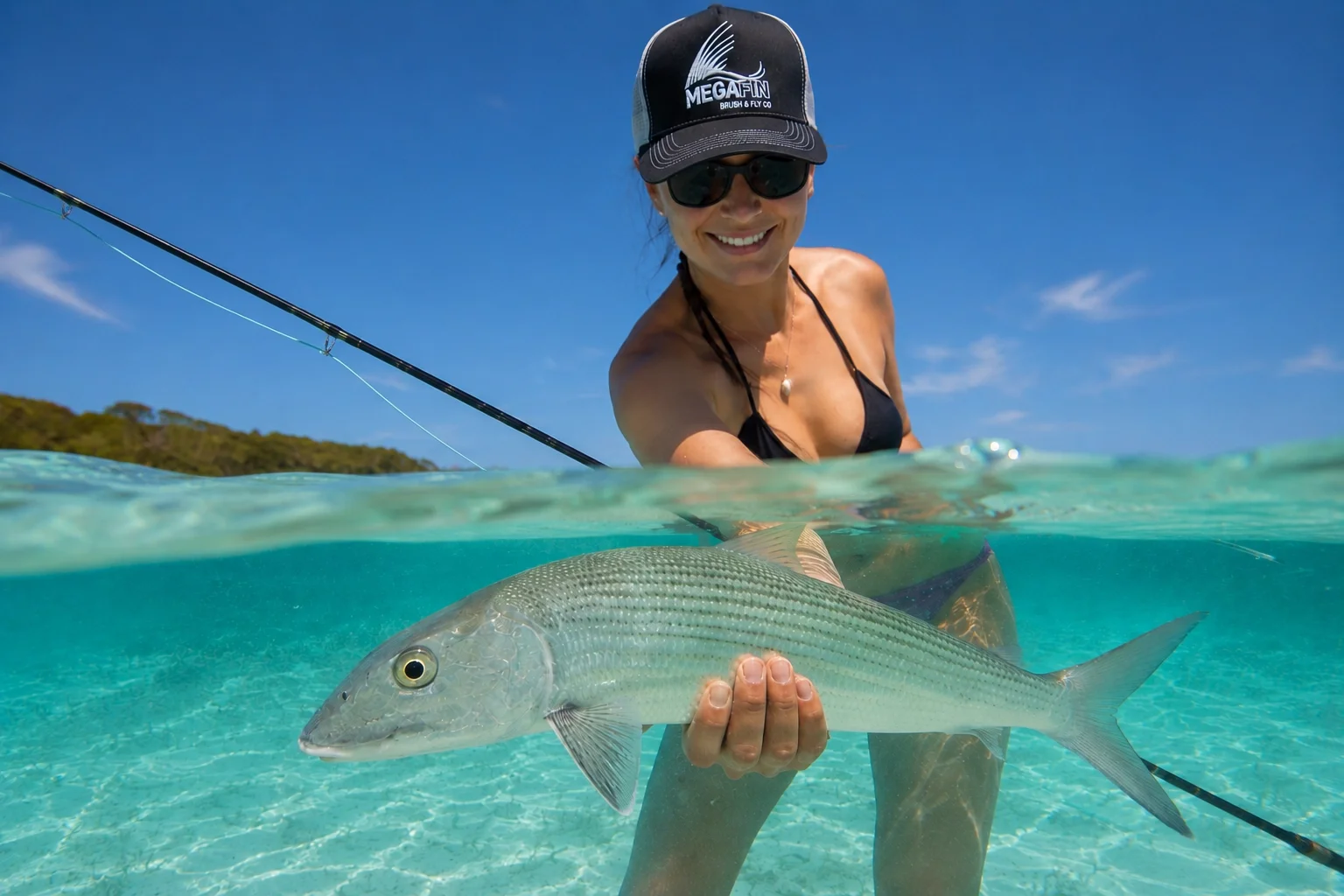
A living bonefish is worth roughly $75,000 over its lifetime. The regulation wasn't difficult once that number was on the table.
Where Bonefish Live
Bonefish are a flats species. They spend their feeding time in extraordinarily shallow water — sometimes water so shallow that the dorsal fin and tail break the surface simultaneously. That shallow feeding window is what makes them visible, and what makes them catchable on a fly.
What Is a Flat?
A flat is a broad, shallow expanse of marine bottom — sand, marl, coral rubble, or grass — adjacent to deeper water. Tides push bonefish onto the flat to feed as water rises over the bottom, covering food that was exposed or inaccessible at low water. As the tide drops, fish retreat back to the channels and basins they came from.
Three Types of Florida Bonefish Water
Sand and marl flats. The classic bonefish environment. Light-colored bottom, easy to read, allows sight-fishing at distance. Fish are visible as dark moving shapes against the pale substrate. Tailing is most visible here when the water is thin enough.
Grass flats. Turtle grass and manatee grass hold crustaceans and baitfish. Bonefish work through grass methodically, often mudding — pushing their snouts into the bottom and creating visible plumes of disturbed sediment. Harder to spot individual fish, but the mud tells you everything.
Mixed bottom. Rocky coral patches and mixed substrate hold food in pockets and depressions. Fish move along edges and contours. Reading this water requires understanding how bonefish use structure, not just how they tail.
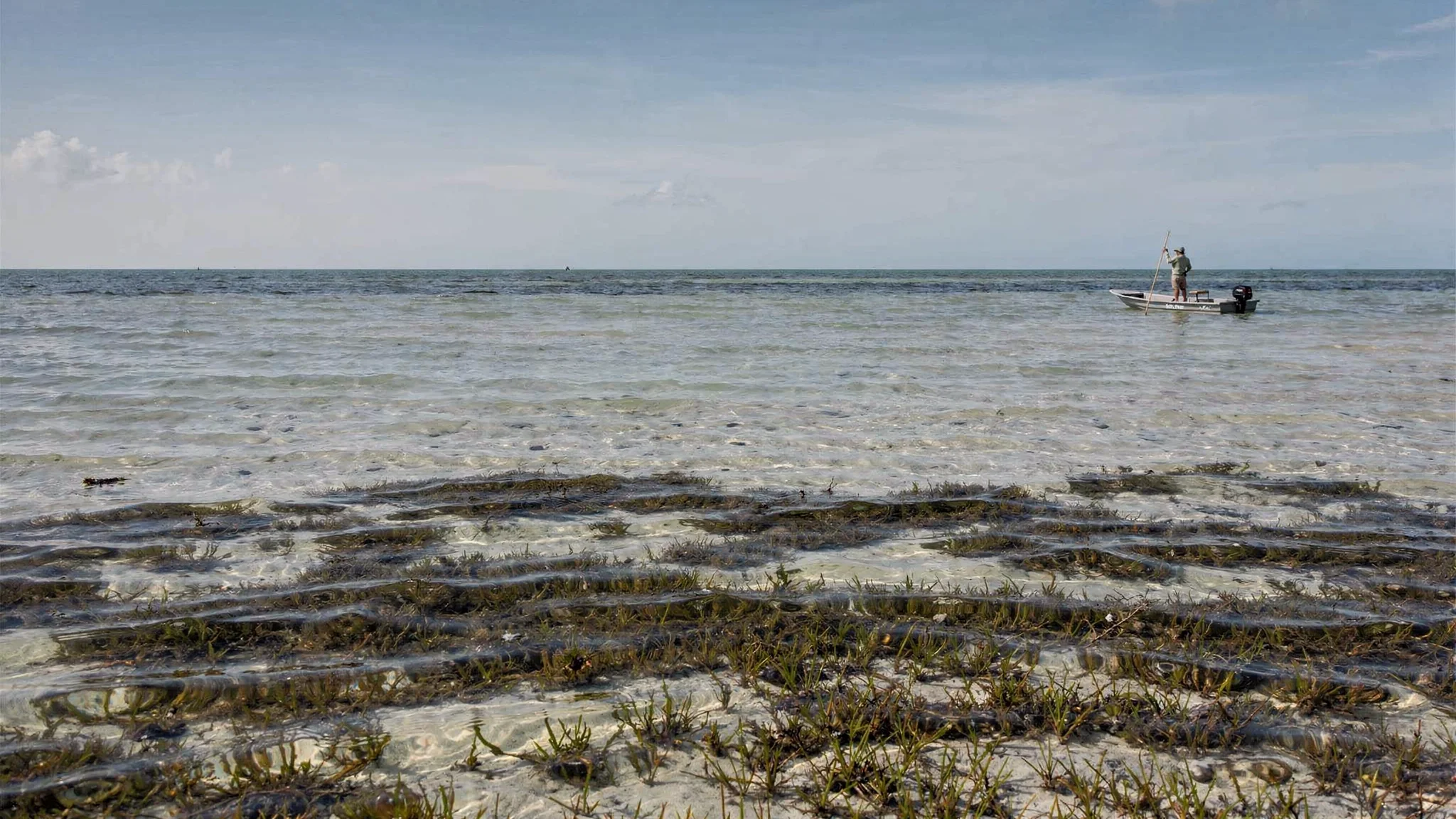
The scale of a Keys flat — miles of knee-deep water, one guide, one angler. The fish are out there.
Beyond Florida: The Bahamas — Andros, the Exumas, Abaco — offer world-class bonefish fishing with fish that tend to run larger on average. The Caribbean — the Yucatán, Belize, Los Roques, Cuba — offers similar opportunities. Each destination has its own regulations and access considerations; verify current requirements before traveling.
Reading the Flat
This is the skill that separates experienced flats anglers from everyone else — not casting, not fly selection, not leader length. The ability to see a fish before it sees you.
Tailing Fish
A bonefish feeding aggressively in very shallow water tips its body forward to root through the bottom, and its tail breaks the surface. In morning light at low tide, a tailing bonefish is unmistakable. In flat midday light on a rippling surface, it disappears. Learn to look for the geometry of a tail — the angle, the pause-and-tip rhythm — rather than the flash.
Cruising Fish
Move faster and have less committed to feeding. A cruising bone at forty feet is a moving shape, slightly darker than the bottom, moving with purpose. You need to identify its direction and speed to intercept it, not chase it.
Mudding Fish
Have pushed their snouts into the bottom and stirred sediment. The mud plume — a milky discoloration in the water — drifts downcurrent from the fish. Multiple fish mudding together creates a spreading cloud. Cast to the upcurrent edge of the cloud, not into it.
Nervous Water
The subtle surface disturbance caused by fish moving through very shallow water without breaking the surface — the water dimples and shivers slightly. This is the sign you'll miss until you've been on the flat long enough to know what still water looks like.
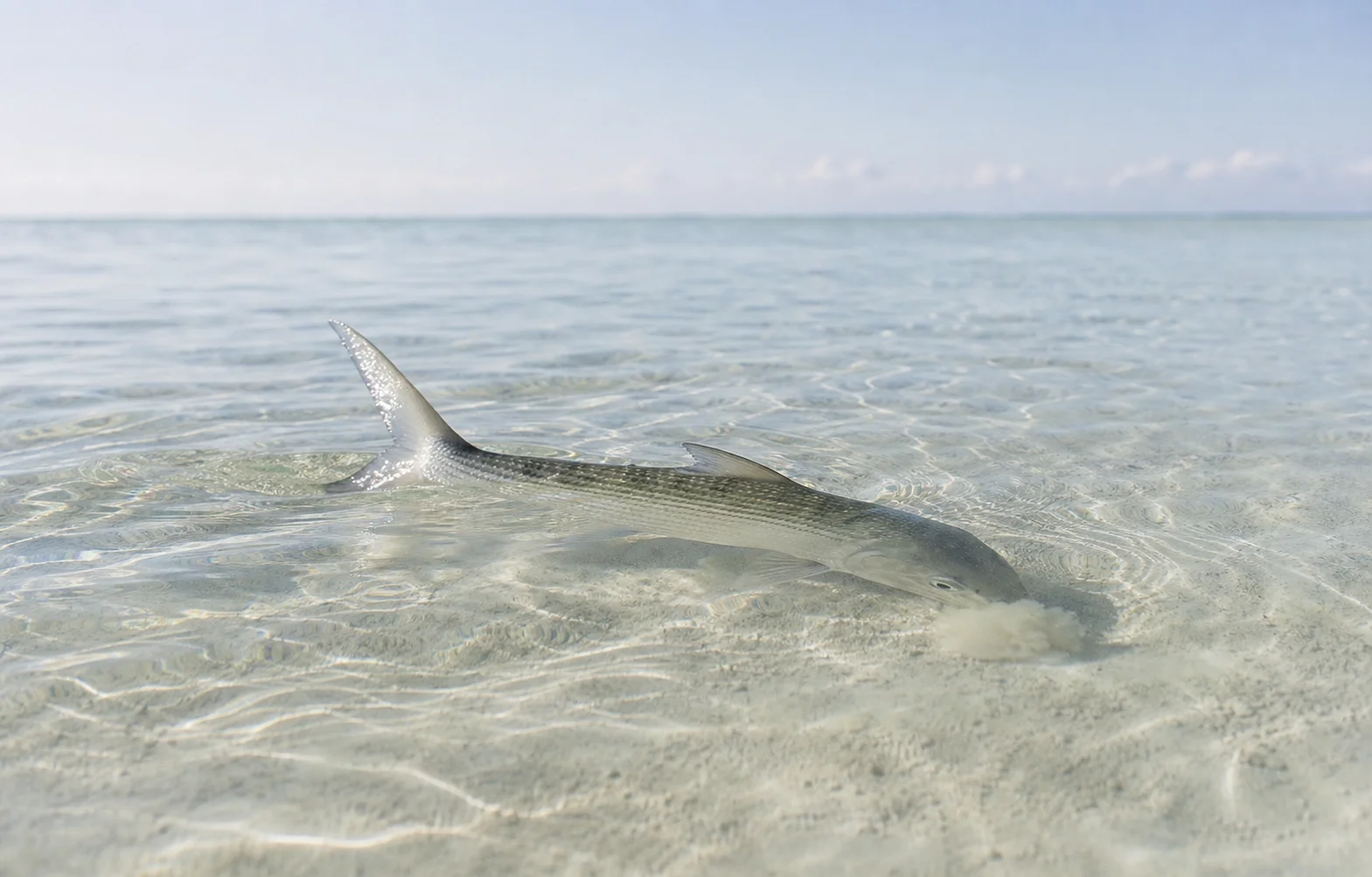
The angle of the sun determines everything. Morning sun at your back and slightly to one side illuminates the bottom and makes fish visible at surprising distance. High overhead sun flattens the light and kills contrast. An overcast sky reduces visibility dramatically. Plan your position on the flat around the light, not the wind.
Sound kills sight fishing. A shuffled foot on the skiff deck, a fly box dropped on aluminum, a push pole that scrapes the hull — any of these will blow a fish at forty feet before you see it. The quieter the approach, the closer you get. The closer you get, the shorter the cast, the cleaner the presentation.
How Bonefish Feed
Bonefish are opportunistic predators of the bottom. They feed primarily on crustaceans — shrimp, crabs, and their various larval forms — along with marine worms, small mollusks, and occasionally small baitfish. What they eat on a given day depends on what is available on that specific flat, in that specific tidal stage, at that specific time of year.
This is why pattern selection matters, but it is not the first variable. The first variable is presentation.
A bonefish that has committed to feeding and moving in a direction will intercept a fly that lands correctly in its path. The same fish will flee a fly that lands on its head. It will ignore a fly that lands six feet behind it. It will follow a fly that lands two feet in front of it and moves naturally as it sinks — and then eat it, or refuse it.
The eat often happens on the drop. The fly lands, the bonefish sees the disturbance, turns toward it, the fly begins to sink. The fish accelerates, pins the fly to the bottom, and the line goes tight.
If you lifted the rod the moment you felt anything — congratulations, you just trout-set a bonefish and pulled the fly out of its mouth. Strip set. Always strip set.
The Cast
For most bonefish situations, you need 40 to 70 feet of line in the air quickly. Not pretty — fast. A double haul that loads the rod efficiently and delivers the fly on the right angle in the right time window.
The lead distance matters more than almost anything else. Lead the fish by three to six feet minimum. On a cruising fish moving quickly, you may need eight to ten feet. Cast to where the fish will be, not where it is. If you cast at the fish, you will land on the fish.
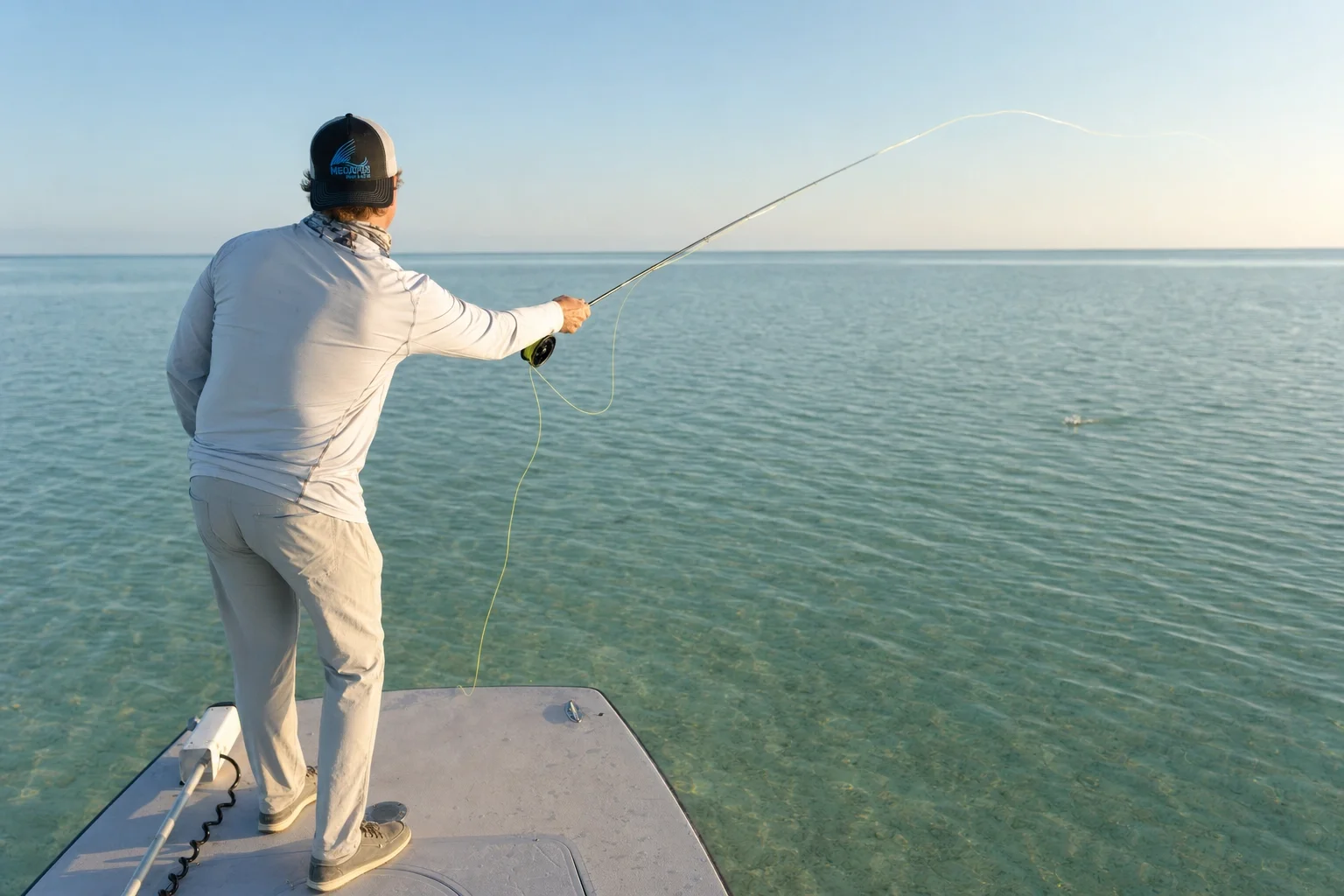
Presentation angle is everything on thin water. On a hard sand flat in eight inches of water, a fly that splashes aggressively will spook every bone within forty feet. The fly should land softly — not drop-shot soft, but controlled. A weighted shrimp pattern on a #6 hook needs to enter the water cleanly and sink at the right rate to reach the fish's feeding depth before it passes.
Practice the cast before you go. Not in the yard with a target — in conditions that simulate a real presentation. Strip out 50 feet of line, false cast twice, deliver. You will have two or three false casts at most before the fish is gone.
What Flies to Carry
First-time flats anglers typically overpack the fly box and underpack the right sizes. You don't need forty patterns for bonefish. You need six to eight patterns in multiple sizes, covering three feeding scenarios: shrimp imitation on hard sand, crab imitation on grass, and a faster baitfish pattern for running shots.
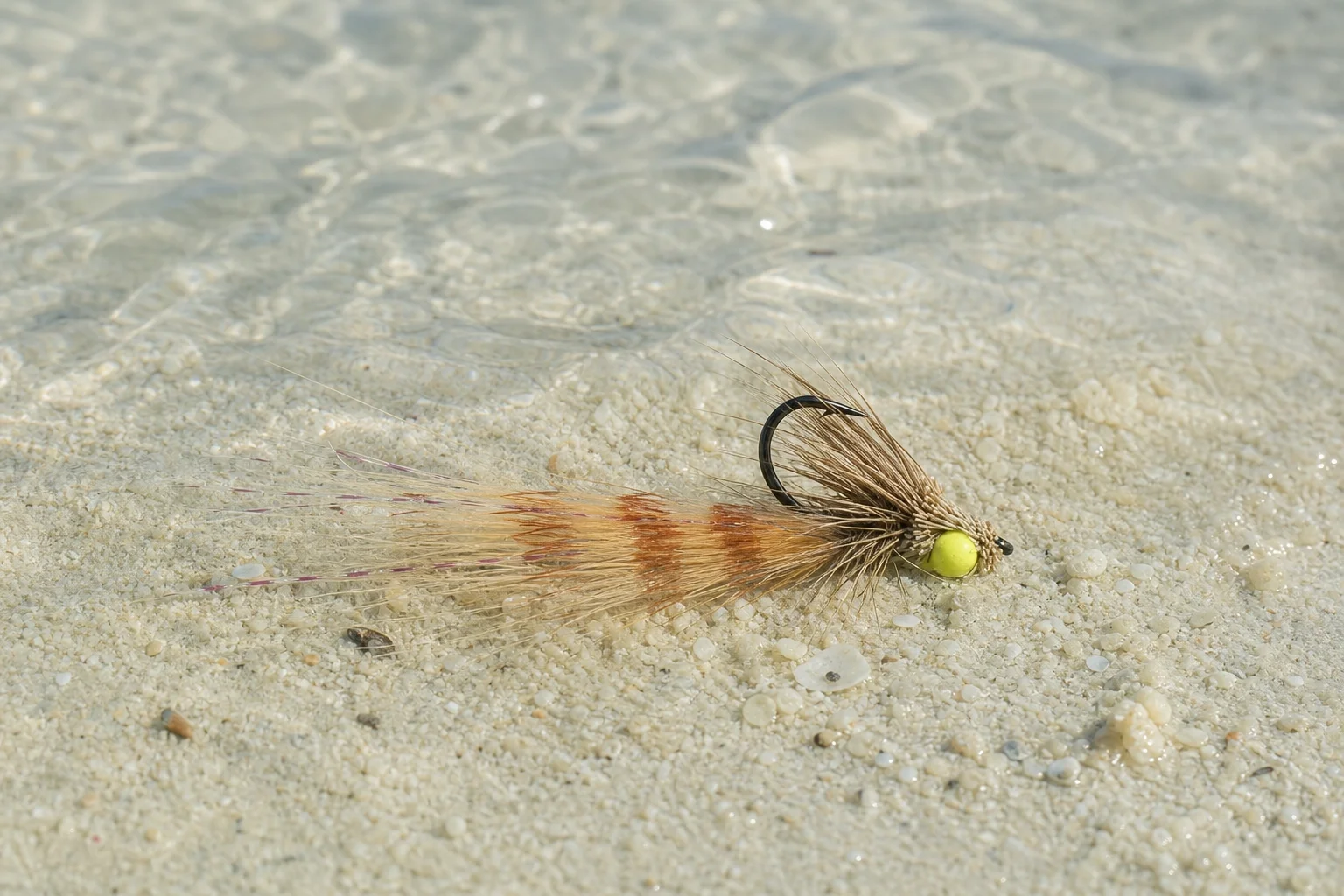
The Essential Patterns
| Pattern | Best Conditions | Sizes |
|---|---|---|
| Gotcha Sparse shrimp silhouette | Hard sand flat, any conditions. The single most consistent bonefish fly in the world. | #4, #6 |
| Christmas Island Special Bright shrimp profile | Bahamas and Caribbean flats, bright days, nervous fish in clear, shallow water. | #6, #8 |
| Pillow Talk Shrimp/crab hybrid | Grass flats, mixed bottom. Palmered body creates subtle movement on a dead drift. | #4, #6 |
| Borski's Bonefish Slider Weedless, hook-point up | Sparse grass — rides clean without snagging. Fish that follow but won't commit. | #2, #4 |
| Avalon Fly Crab/shrimp hybrid | Yucatán and Caribbean flats. Slow strip with natural pause. Spooked or pressured fish. | #4, #6 |
A single bonefish day can require a #4 in the morning on nervous, shallow fish and a #2 in the afternoon on deeper-cruising, more aggressive fish. Having the size range means you're not making decisions with a half-empty box.
The Gotcha's appeal is its simplicity — no unnecessary material to drag in the water, nothing to catch the wind on the cast. It works because bonefish work.

MF Bonefish
Fly Assortment
Everything for your first flats trip — and most of the ones after it.
- 16 flies, five proven patterns
- Hook sizes #2, #4, #6, and #8
- Gotchas, Christmas Island Specials, Borski's Bonefish Slider, Pillow Talk, and Avalon flies
- Quality large fly slit foam box
Selection may vary slightly depending on seasonality and fishery trends.
Build Your Bonefish Box →The Right Tackle
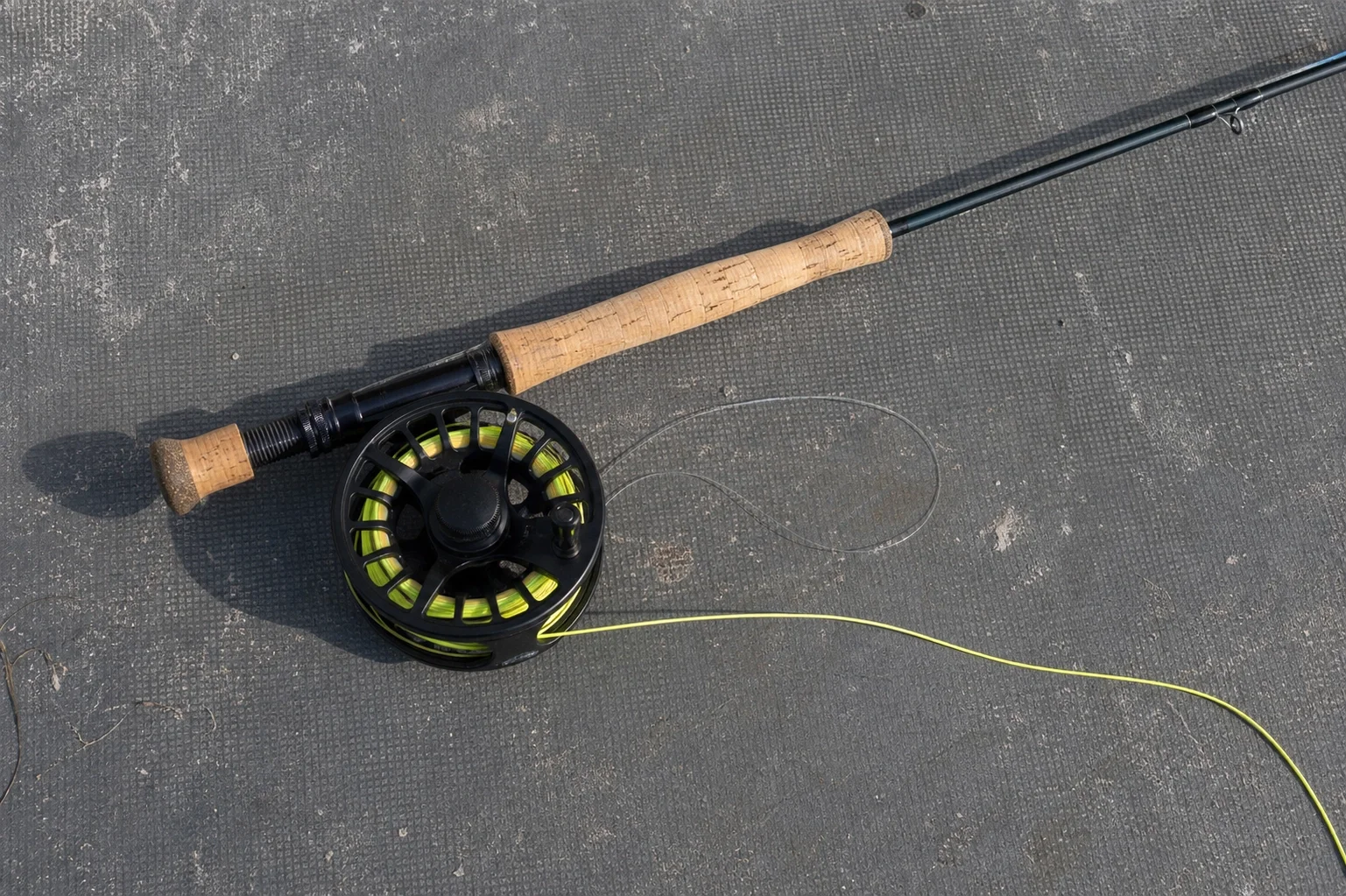
Rod
An 8-weight is the standard. A 9-weight handles wind better. A 7-weight is underpowered for bonefish larger than 5 pounds and will tire quickly in strong Keys wind. Medium-fast to fast action — you need to load quickly with limited casting room and deliver a fly accurately under pressure.
Line
Weight-forward floating line. Tropical formula — standard freshwater lines soften and coil in 85°F saltwater and become nearly uncastable by midday. A good tropical floating line is one of the more impactful upgrades you can make to a bonefish setup.
Leader and Tippet
10 to 12 feet total. The standard bonefish leader runs 9 feet of tapered mono to a 2-foot fluorocarbon tippet section. Tippet: 10 to 14 lb fluorocarbon, depending on water clarity and fish size. Heavier tippet for larger fish in turbid conditions; lighter for clear, shallow, pressured fish.
Reel
A quality drag matters because bonefish run — fast and far. A 6-pound fish on an 8-weight on a hard flat will take 50 to 100 feet of line in the first run. You need a drag that doesn't seize up under load and a spool with enough capacity for backing.
Backing
200 yards minimum. Not for most fish. For the one that doesn't stop.
Fishing a freshwater floating line in tropical saltwater. Standard lines go limp and coil at 85°F — they won't shoot cleanly and you'll spend the morning managing tangles instead of fish. Buy the tropical line before you book the trip.
Regulations and Conservation
Florida bonefish are catch-and-release only. No exceptions, no tournament exemptions. This has been the regulation since September 1, 2013, and it is unlikely to change.
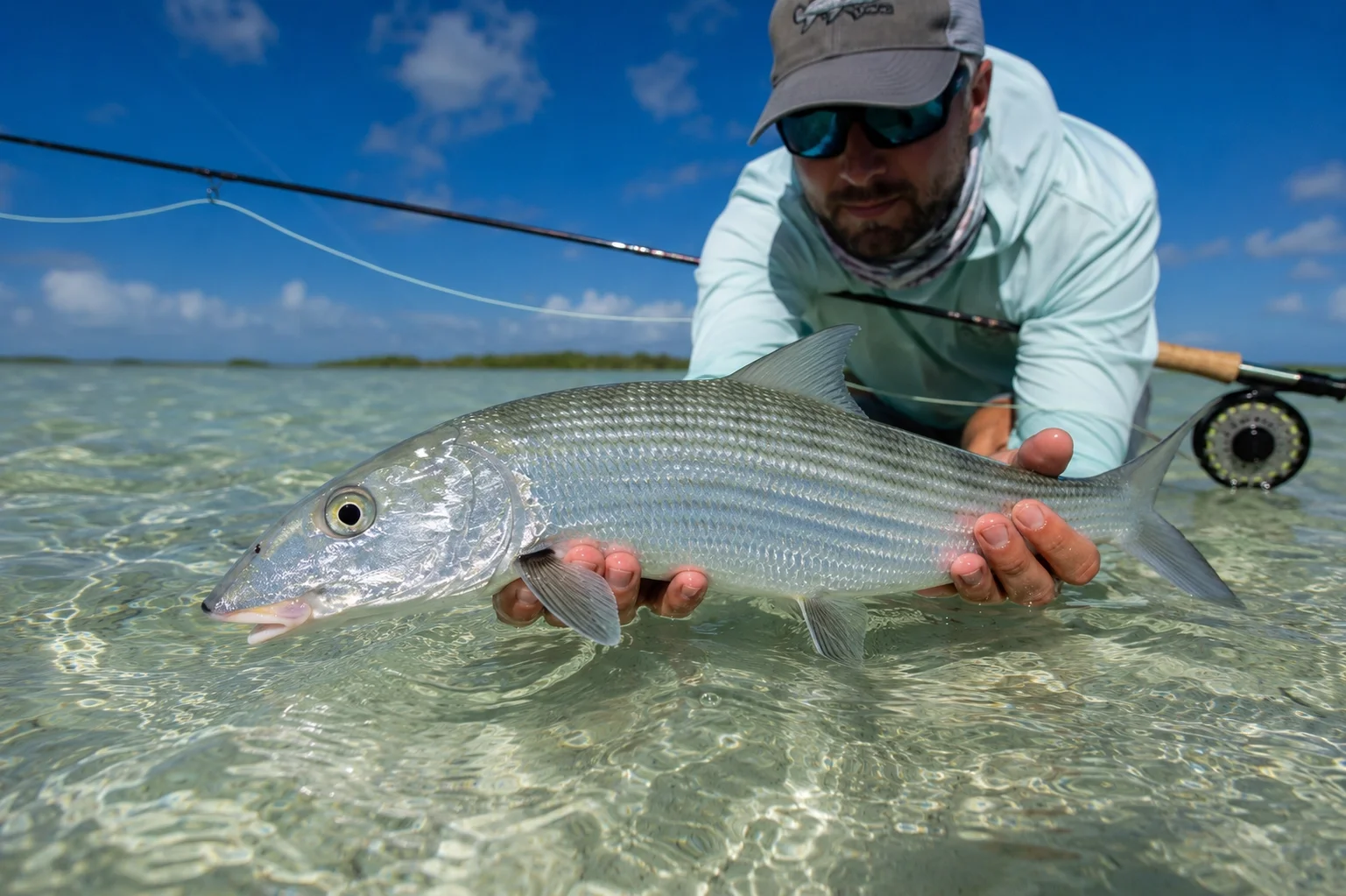
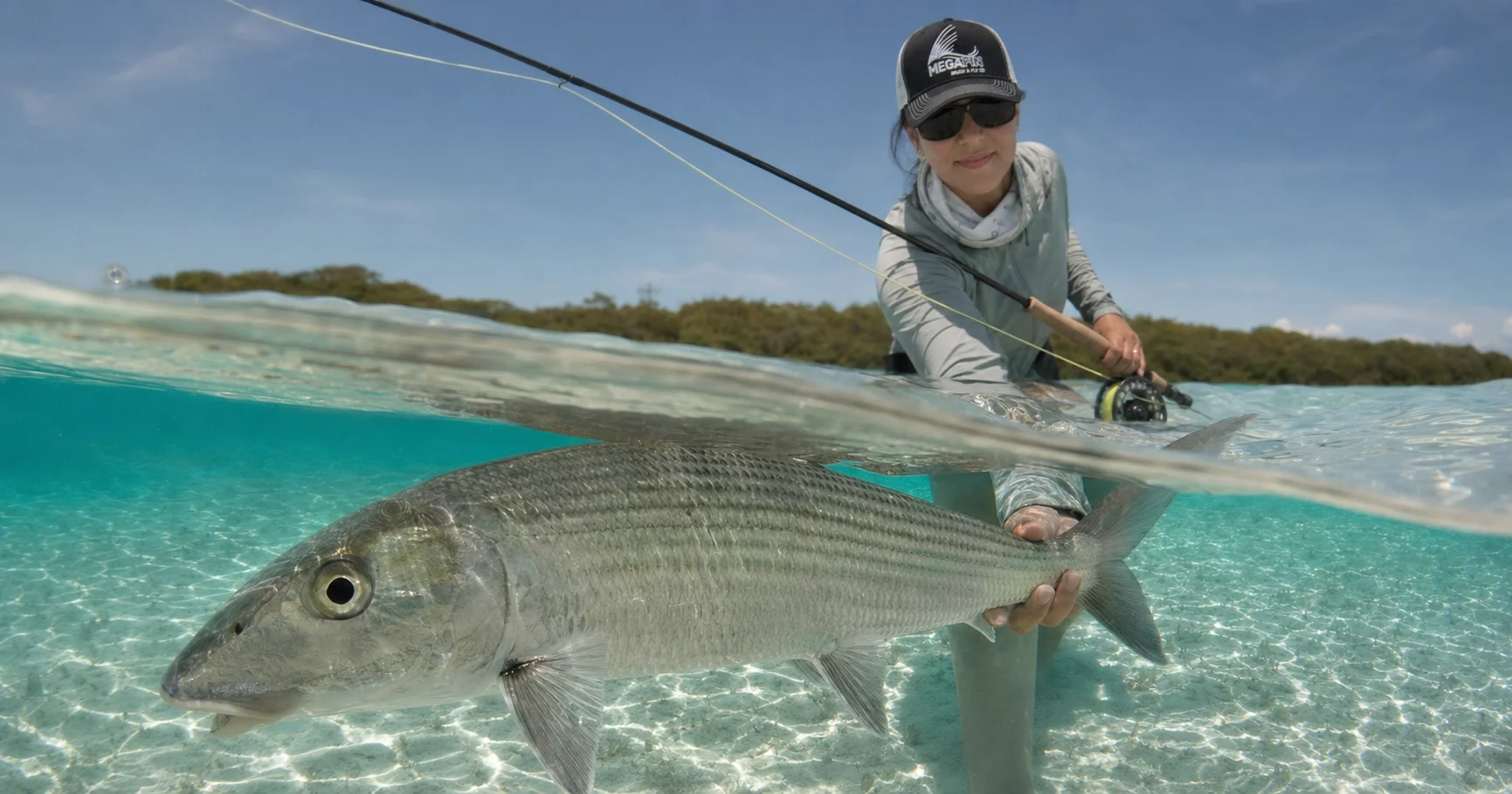
Handle bonefish correctly. Keep the fish in the water during the entire release process if possible. If you must lift the fish for a photograph, support it horizontally — never hold a bonefish vertically by the jaw. Revive the fish in the current before releasing. A bonefish that cannot swim out of your hands under its own power is not ready.
The Bonefish & Tarpon Trust has invested significantly in understanding why Florida Keys bonefish numbers fluctuate — spawning site protection, temperature stress events, and habitat degradation in Biscayne Bay and the backcountry are all active research areas. The fish you release today has an estimated natural lifespan of more than 23 years. It will swim that flat long after your trip ends.
Outside Florida, regulations vary by country and territory. Before fishing bonefish in the Bahamas, Cuba, Belize, or anywhere else, verify current local regulations and licensing requirements. They change.
Common First-Timer Mistakes
The flat extracts payments. Here are the most common ones.
- Casting at the fish Not in front of it. Casting at a bonefish means landing on or behind it — the splash spooks the fish and the opportunity is gone. Lead the fish by three to six feet minimum.
- Trout-setting Lifting the rod when you feel the take. In saltwater, this pulls the fly out of the fish's mouth. Strip set: pull line with your stripping hand while keeping the rod low and pointed at the fish.
- Looking for a fish-shaped fish You're looking for movement, geometry, and shadow — not a detailed image of a bonefish. Learn what the bottom looks like without fish before you can see what it looks like with them.
- Too many false casts Every false cast is time the fish spends getting closer to being out of range. Two false casts maximum — ideally one — and deliver. More than three and the window closes.
- Noise on the skiff Dropped gear, shuffled feet, and hull knocks communicate instantly to fish in thin water. Treat the boat like a hunting blind.
- Wrong tippet for the conditions Too heavy in clear, shallow water and the fish will refuse. Too light and you'll lose the fish to abrasion. Match tippet to conditions, not just to the fish.
The Flat Before the Wind Builds
You will not catch a bonefish on your first shot. Most people don't. The cast is slightly wrong, or the lead is off, or the fish turned at the wrong moment, or you trout-set. These are the payments the flat extracts.
What happens instead is that you see one. Then you see another. Then you start reading the water before your guide calls it. The flat starts making sense as a feeding system — where the fish come from, how they move, what they're looking for. That understanding is worth more than anything in the fly box.
When you do hook one, it will be over before you process it. The line comes tight, the fish turns, and suddenly there is nothing between you and 80 feet of backing but a hook and a few feet of fluorocarbon. It holds. It always holds, or it doesn't.
That's the moment the whole system is built around.
The MF Bonefish Fly Assortment — five proven patterns, four hook sizes, 16 flies, ready to fish.
Build Your Bonefish Box →