Three Fish That Define the Florida Keys
Three Fish That Define the Florida Keys
Tarpon, Permit and Bonefish — and the Tactics That Help You Catch Them
Few places in the world test a fly angler quite like the Florida Keys.
The water is shallow, clear, and alive with movement — and it punishes every mistake before you finish your backcast. Every cast matters. Every footstep matters. Every shadow, splash, wind gust, and strip of the fly can be the difference between a memorable eat and a fish vanishing into glare and turtle grass.
“On the flats, sound travels faster than excuses.”
For saltwater fly anglers, the Keys are defined by three legendary fish: tarpon, bonefish, and permit. Catching any one of them on fly is an accomplishment. Catching all three is the famous Florida Keys “grand slam.”
But each species demands a different mindset.
Tarpon require composure. Bonefish require speed and accuracy. Permit require patience, stealth, and humility.
Together, they represent everything that makes flats fishing so addictive.
The Silver King
Tarpon
Tarpon are the dramatic heavyweight of the Keys. Large migratory fish move through the Lower Keys and Key West in spring and early summer, with prime migration often running from roughly April through July. Stable weather and water temperatures in the low 70s to mid-80s are especially important for consistent tarpon activity.
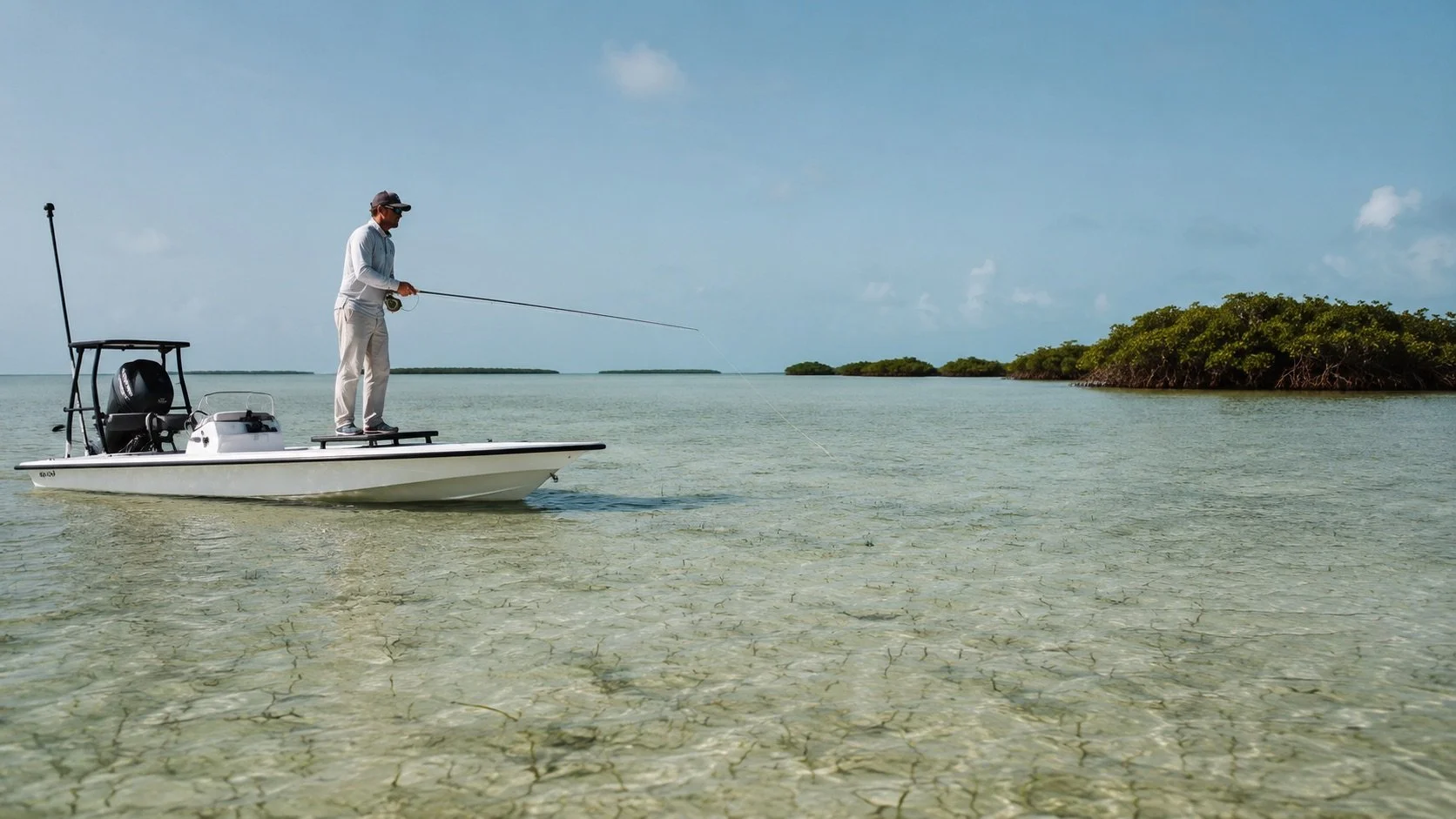
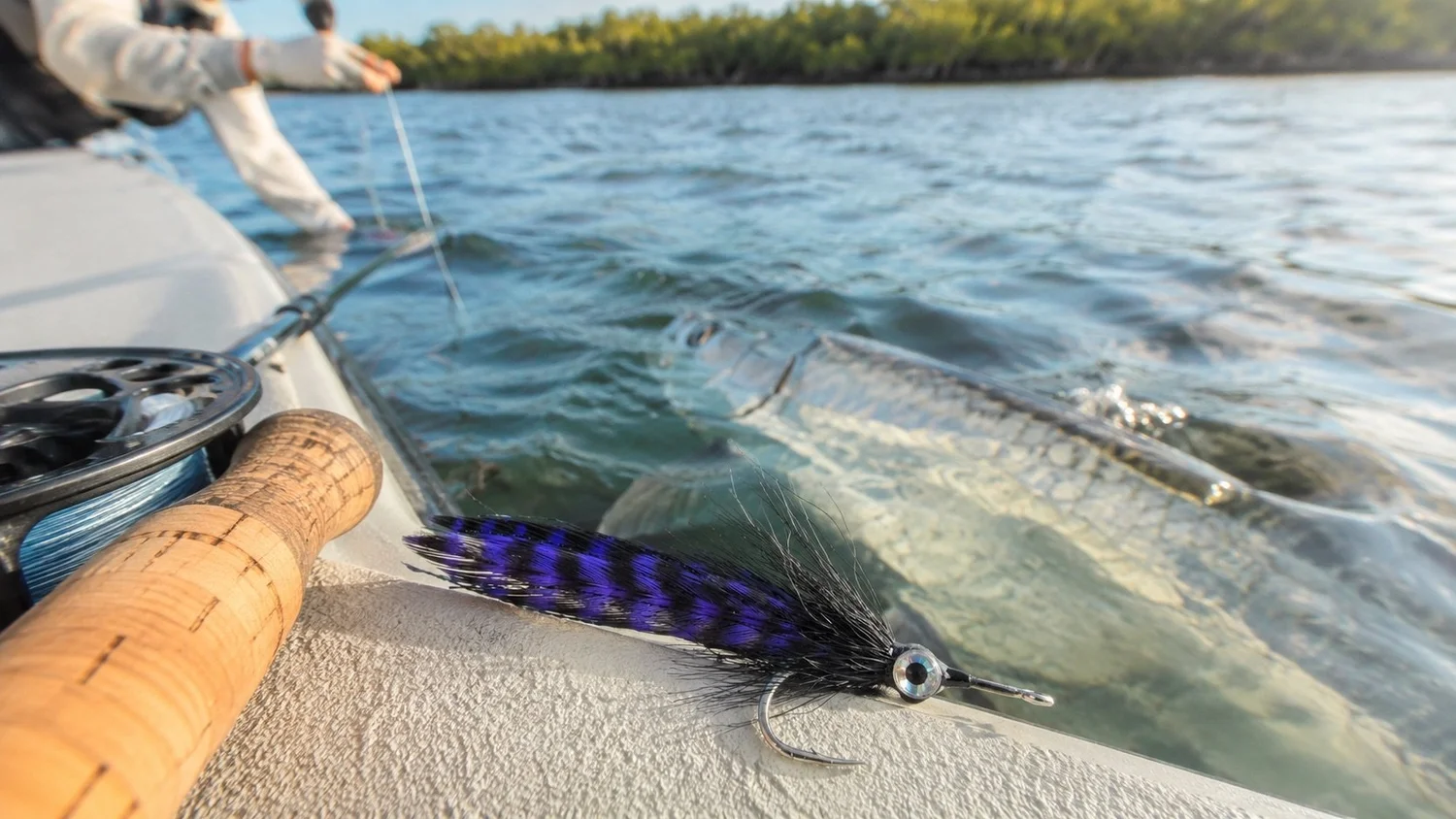
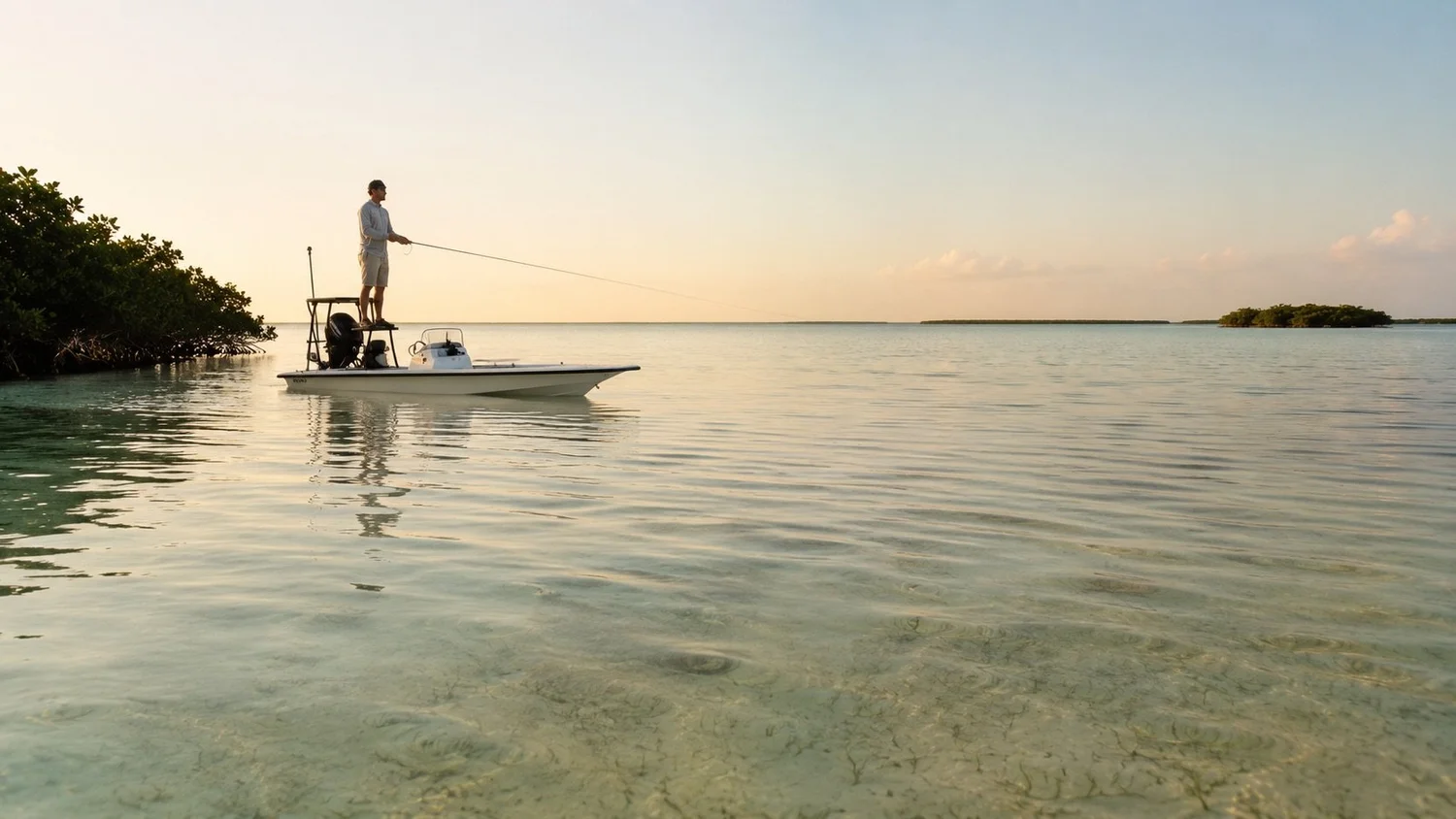
The most common tactic is sight fishing from a skiff. The guide poles quietly while the angler stands ready on the bow, scanning for rolling, cruising, or laid-up fish. Most tarpon fishing uses 10- to 12-weight rods, floating lines, strong leaders, and baitfish-style flies — toads, roaches, or other proven tarpon patterns.
The cast is often not a delicate one. It must be fast, accurate, and delivered ahead of the fish. Once the fly lands, the retrieve should match the fish’s mood. Sometimes tarpon want a steady strip. Sometimes they need a slower, more subtle presentation. The hardest part is not the cast — it is staying calm when a six-foot fish turns toward the fly.
The Grey Ghost
Bonefish
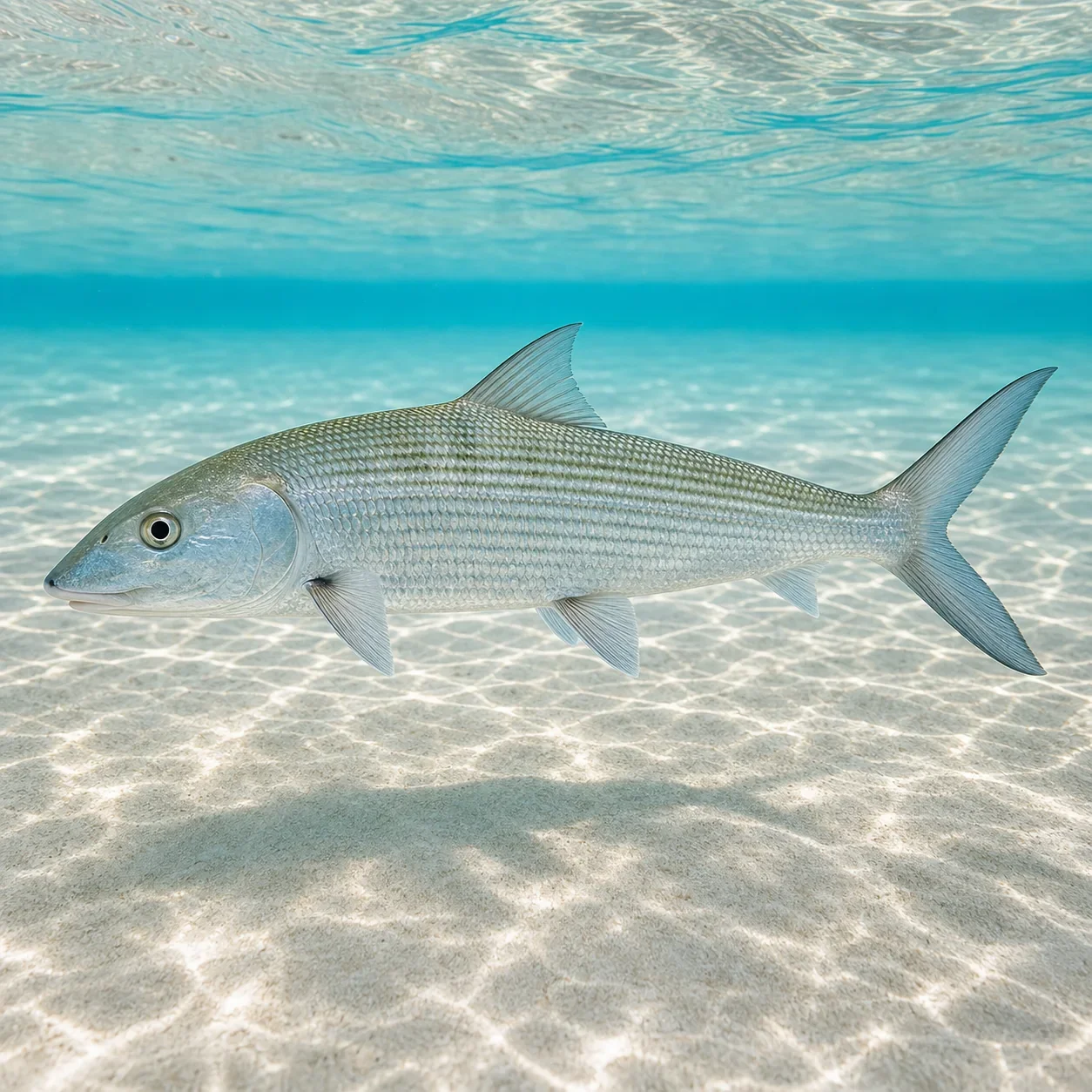
Bonefish are fast, nervous, and perfectly designed for shallow flats. They often feed over sand, mud, or seagrass, searching for shrimp, crabs, worms, mollusks, and small bait. Bonefish move onto shallow flats with the tide and are famous for their speed once hooked.
In the Keys, bonefish can be targeted year-round, but fall is often considered an excellent time, especially when warm water keeps fish active across the flats. Spring and summer can also produce excellent fishing.
Bonefish usually call for an 8- or 9-weight rod, a floating line, a long leader, and small shrimp or crab patterns. The presentation should be quiet. The fly should land ahead of the fish, not on top of it. Once the fish sees the fly, short strips and pauses often work better than frantic movement.
Many anglers make the mistake of trying to do too much. Bonefish are already hunting. Your job is simply to put the fly where the fish can find it.
And then there is the noise factor. One mistake many anglers make — and one I still make far too often myself — is moving or shuffling my feet while casting at a bonefish or permit. As ridiculous as it sounds, the smallest sound created by an excited angler on the bow can amplify through the water at the worst possible moment.
“Bonefish are already hunting. Your job is simply to put the fly where the fish can find it.”
The Holy Grail
Permit
Permit are the fish that make experienced anglers question everything.
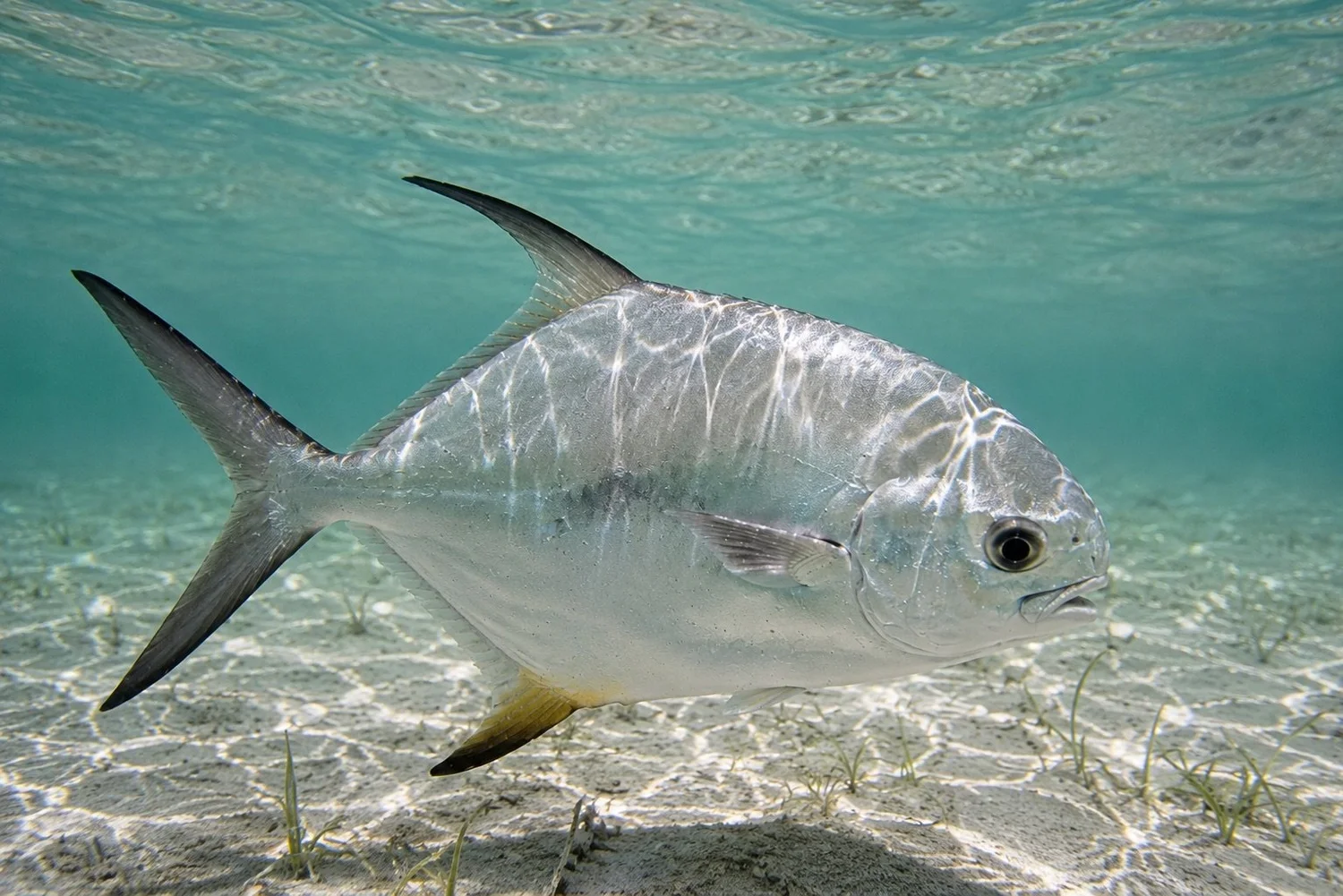
They are powerful, beautiful, selective, and notoriously difficult to fool. Permit are often found on sand, mud, and turtle grass flats, but unlike bonefish, they also spend significant time offshore and only use the flats under certain conditions. That is part of what makes finding a catchable permit such a hunt.
Permit can be targeted in the Keys year-round, but spring and fall are often strong windows. Late February and March can be excellent before spawning activity, while summer into early fall may offer calmer conditions and tailing fish on the flats. Permit begin spawning in April, and conservation research has helped shape seasonal protections around important spawning areas.
Most permit anglers use 9- or 10-weight rods, floating lines, long leaders, and crab or shrimp patterns. The most important part is the approach. Permit do not tolerate sloppy boat movement, loud feet, poor angles, or flies landing too close.
The cast should usually land far enough ahead of the fish to avoid alarm, but close enough that the fish can see the fly. Once the fly is in position, less is often more. A crab pattern dragged too aggressively can look unnatural. Small movements, pauses, and patience often produce the best result.
Permit fishing rewards discipline. Sometimes the best strip is no strip at all.
Approach
Boat or Wade?
Both approaches have a place in the Keys.
Boat
A skiff gives anglers access to more water, better visibility, and the ability to cover different flats as tides and light change. For tarpon, especially larger migratory fish, a guide and skiff are usually the most effective approach.
Wade
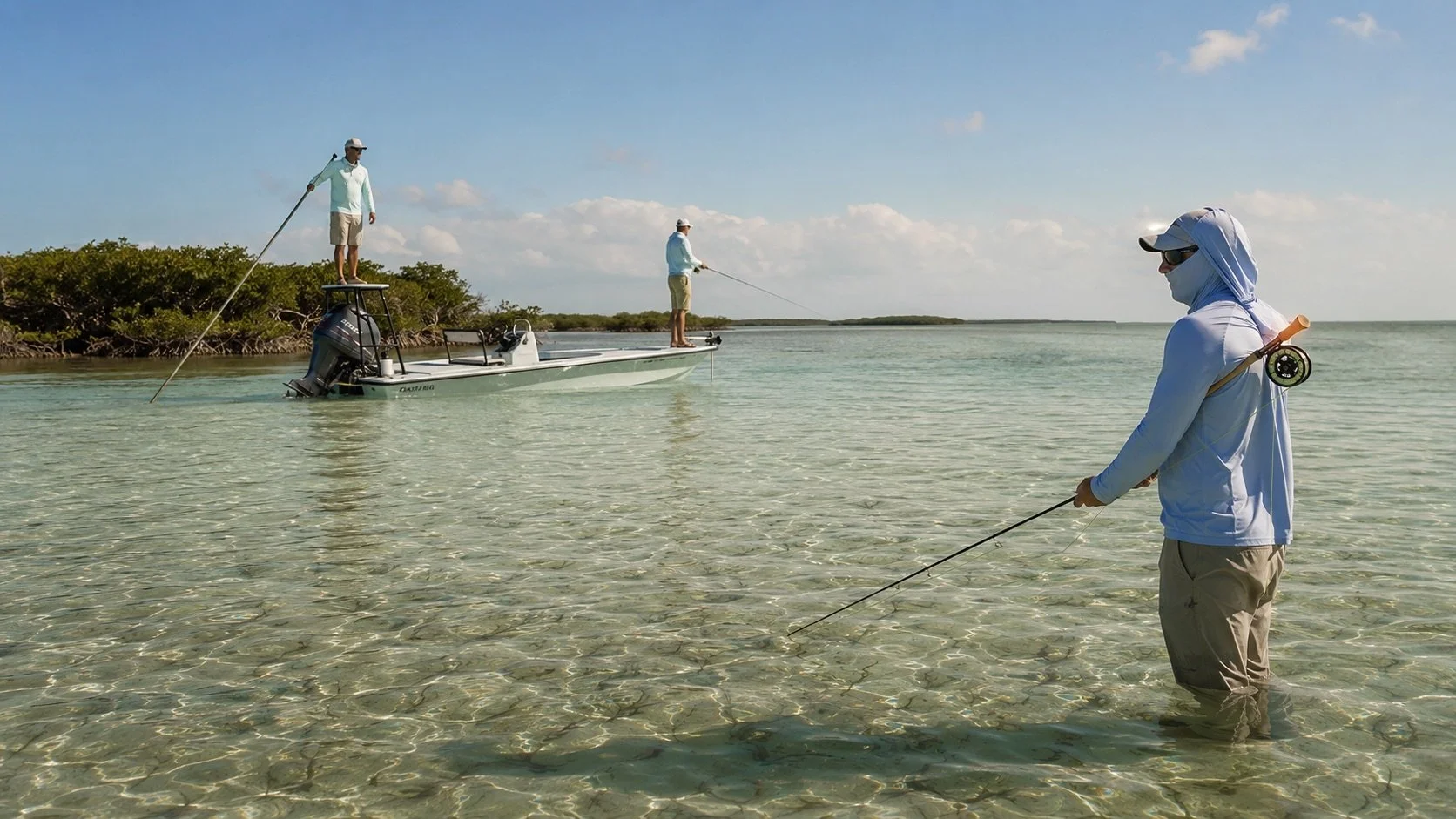
Wade fishing can be excellent for bonefish and permit in the right areas, but it requires careful planning, safe bottom, and strong awareness of tides. Wading also forces the angler to slow down — and fewer rushed casts usually means better casts.
For anglers new to the Keys, hiring a good guide is one of the best investments they can make. The Keys are conditional. Wind, tide, sun angle, water temperature, and boat traffic all matter. A good guide knows where to look, when to move, and when to wait.
Timing
When to Go
There is no single perfect month, because each species responds differently — and the best conditions often come down to a combination of tide, light, temperature, and stable weather rather than the calendar alone.
Peak migration through the Lower Keys. Prime water temperature: 72–82°F. Best on calm, clear mornings before the afternoon wind builds.
Active when water exceeds 68°F. Dropping tides concentrate fish on the edges of flats. Fall and spring offer the most consistent activity.
Strong windows before and after spawning season. Spawning begins in April — important to handle fish with care during peak reproductive periods.
Wind is the threshold. Sun angle defines visibility. A stable three-day forecast matters more than the “best” month on a chart.
If you are planning a trip, decide which species matters most. A tarpon-focused trip, a permit-focused trip, and a general flats trip may all point to slightly different timing, tackle, and expectations.
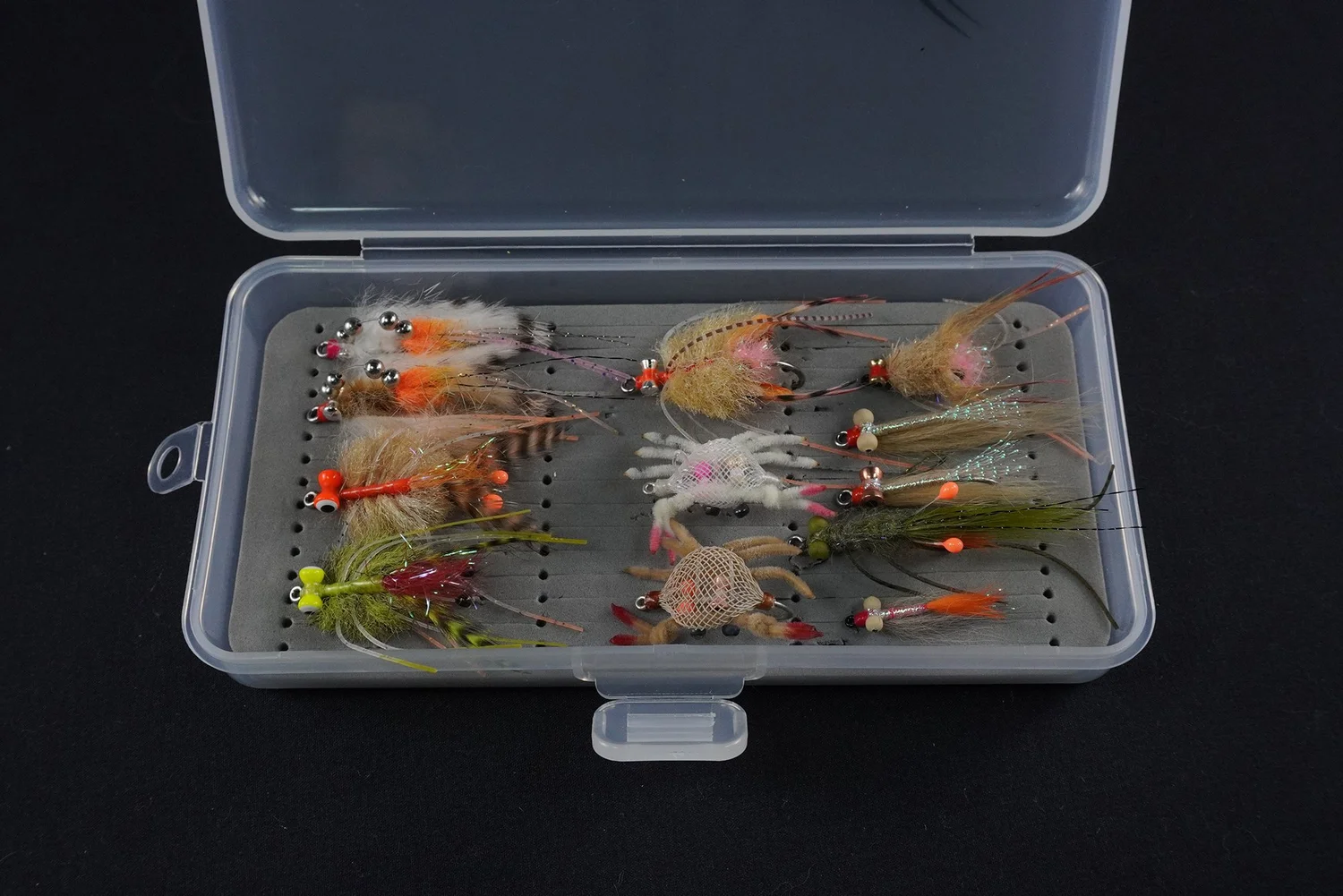
Keys Fly Box
Recommended Megafin Flies for the Keys
For anglers preparing for a Florida Keys trip, the goal is not to carry hundreds of flies. The goal is to carry the right flies, in the right sizes, for the right situations.

Florida Keys Fly Assortment
A practical starting point for anglers who want a balanced selection for the flats — built for all three species.
View Assortment
Permit & Bonefish Fly Assortment
Designed for the stealthier side of Keys fishing, where quiet presentations, natural profiles, and confidence matter.
View Assortment
Tarpon Roach & Toad Fly Assortment
A focused selection for anglers targeting tarpon with proven profile styles that belong in any serious Keys box.
View AssortmentChecklist
Before You Hit the Water
Tarpon, bonefish, and permit may share the same flats, but they require three very different approaches. Decide which fish matters most before you book the trip.
Practice quick, accurate casts from 40 to 60 feet before your trip. In the Keys, the best shot often appears fast and disappears faster.
Stay quiet. On the flats, fish do not need to see you to know you are there. Freeze your feet. Move only your eyes and your rod.
The Florida Keys will reward preparation, punish impatience, and take everything you have practiced and test it in the most honest water in fly fishing. Whether you are chasing your first bonefish, your first tarpon, or the permit that keeps haunting your dreams — you will leave the Keys with less certainty and more understanding of what a serious fish demands from a serious angler.
Built for the water.
Build Your Keys Fly Box